

Citadelle du Caire

Citadelle du CaireOpération de terrain 23123
Responsable(s)
 Simon Connor (IFAO)
Mohammed Ibrahim (Université Ain Shams)
Partenaires
Cofinancements
Dates des travaux
avril - mai
➣ Site(s) de la mission
https://www.ifao.egnet.net/recherche/archeologie/citadelle-du-caire/
Participants en 2026
| | Simon Connor | Chercheur | IFAO |
| | Mohammed Ibrahim | archéologie islamique, professeur des universités | Université Ain Shams |
| | Joachim Le Bomin | archéologue, IR | HiSoMA UMR 5189 |
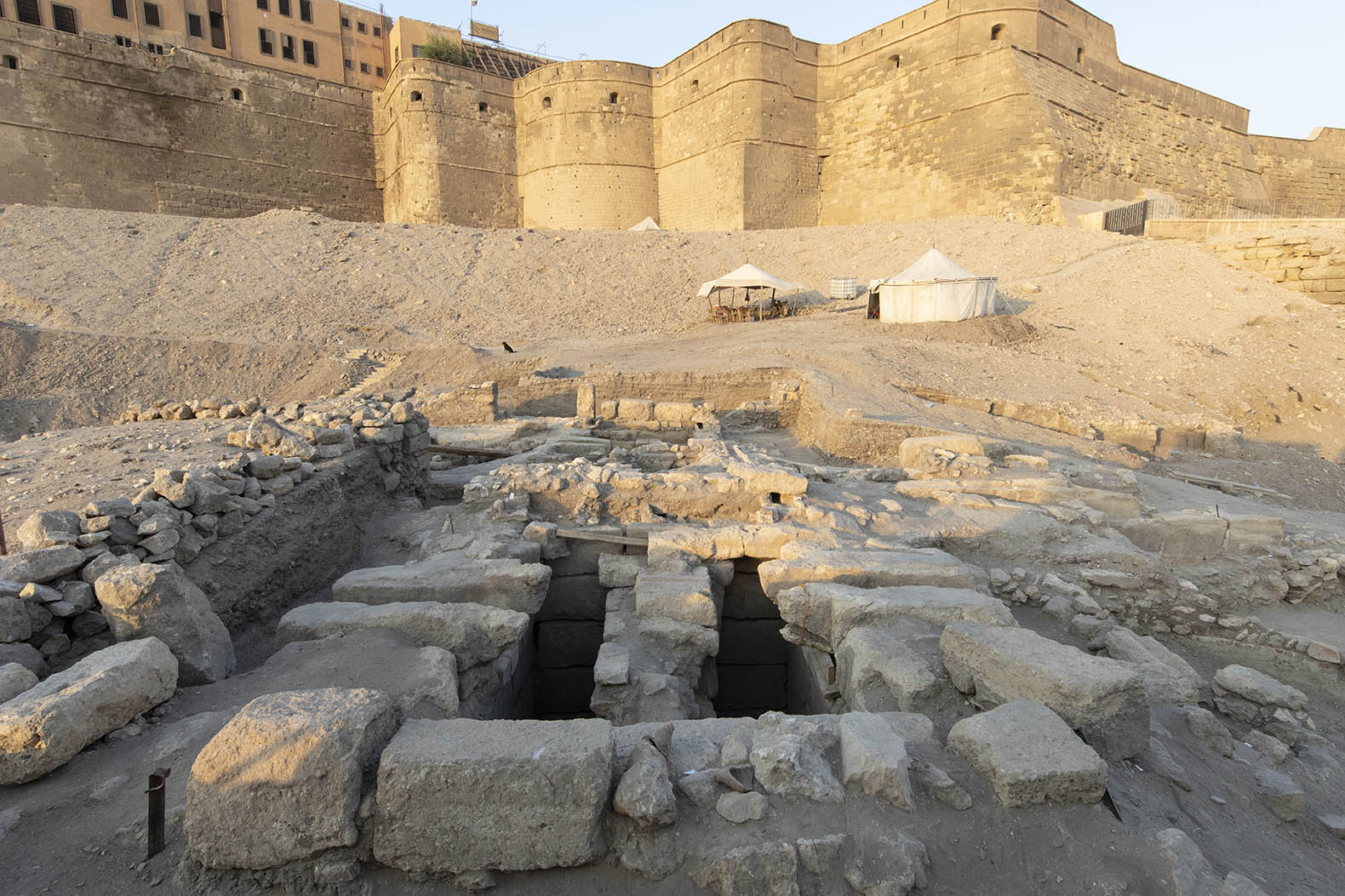
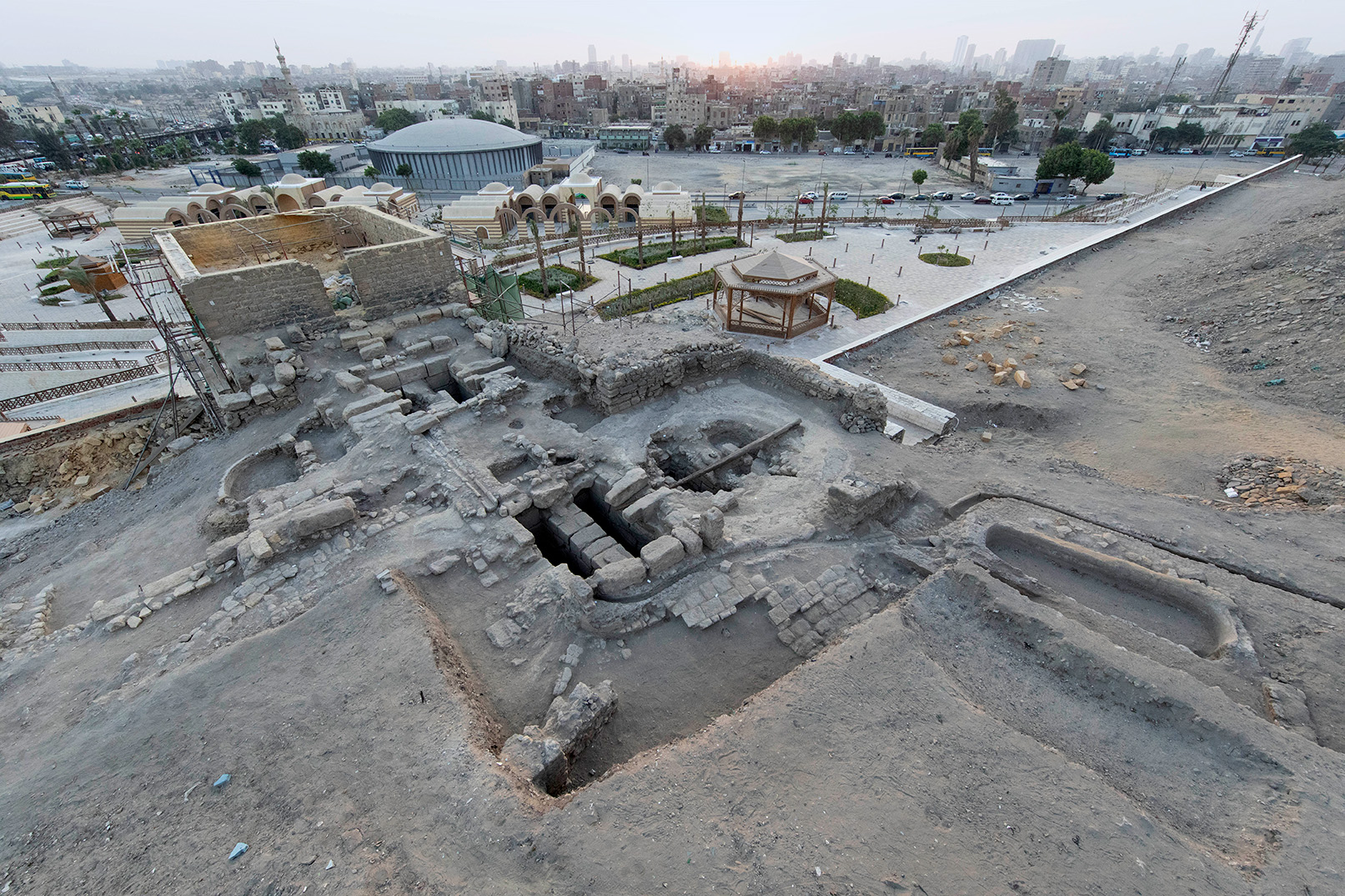
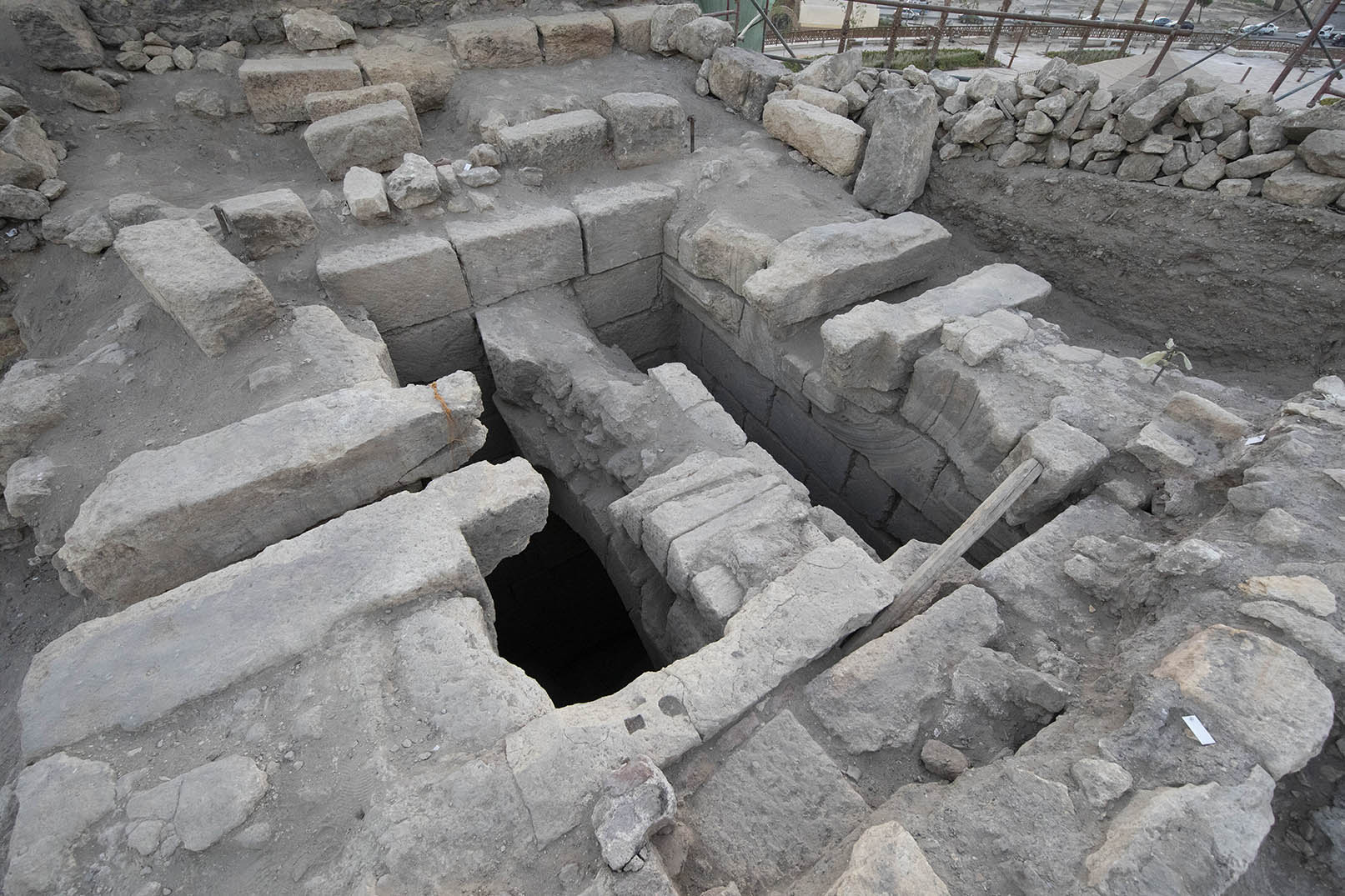
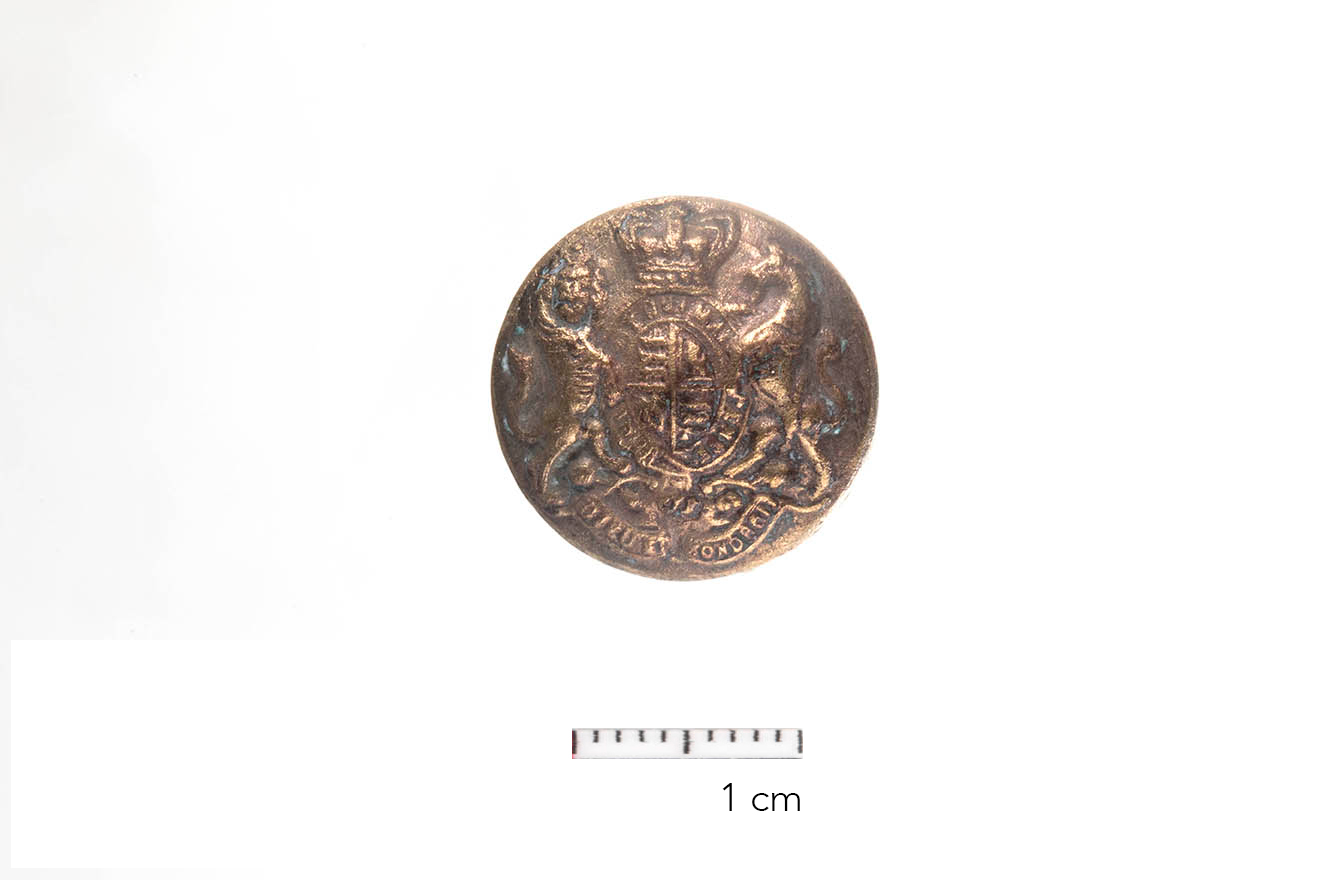
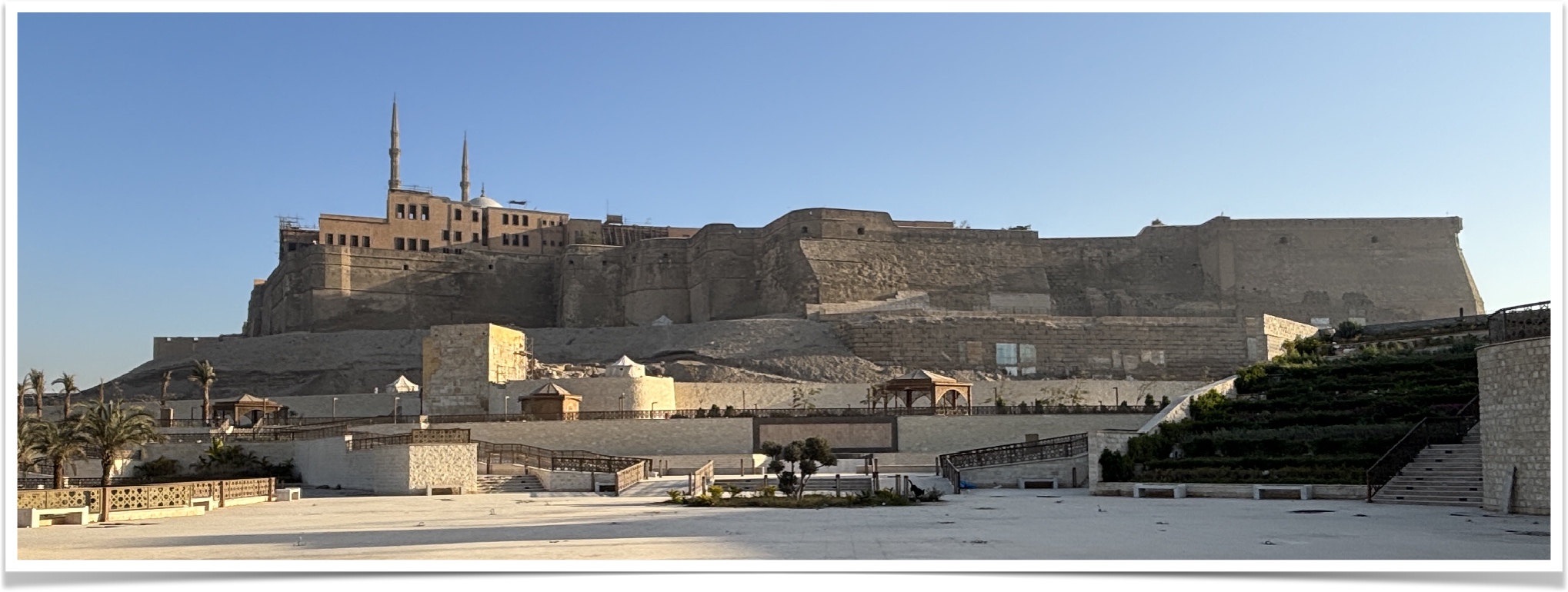
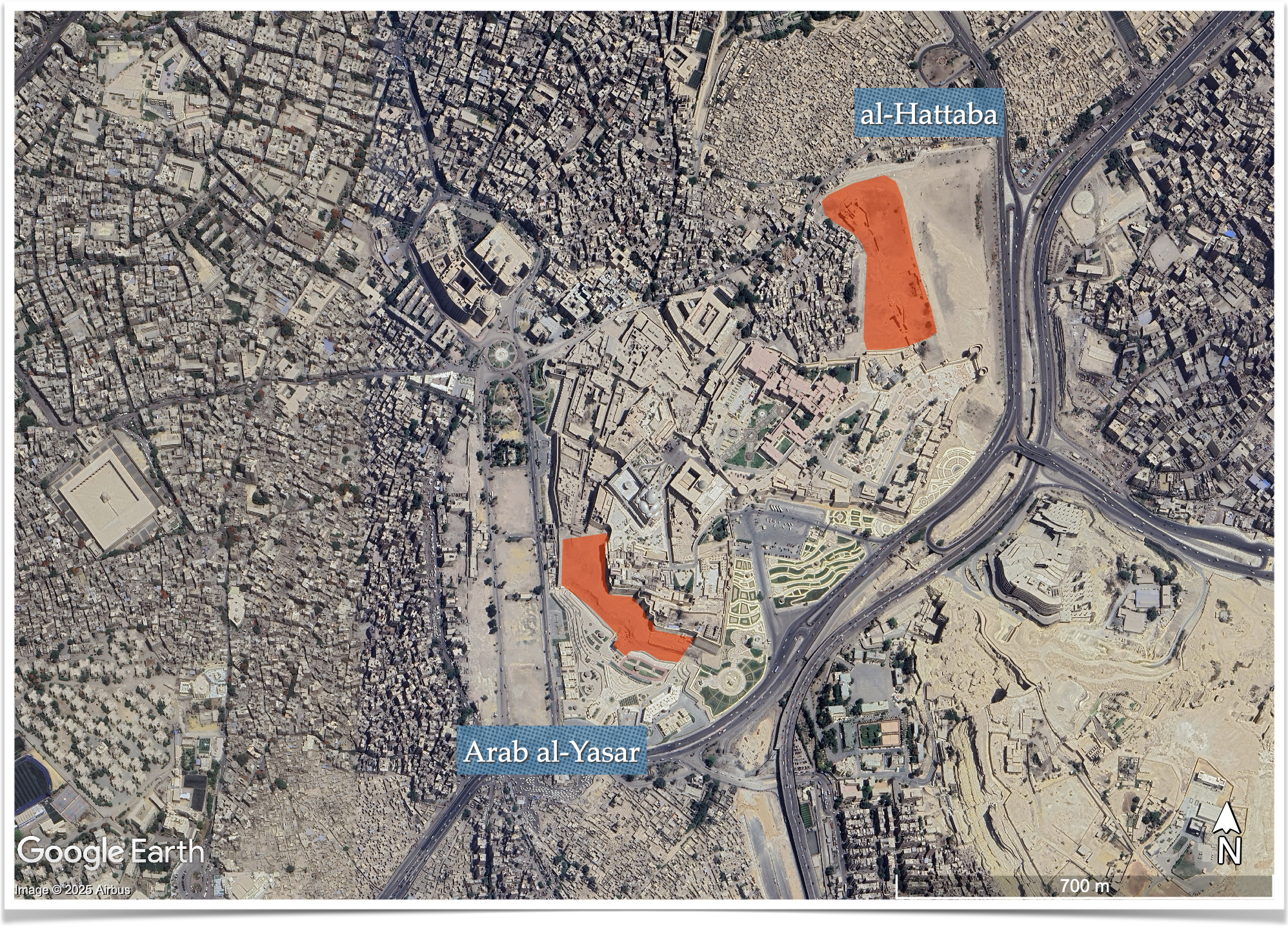
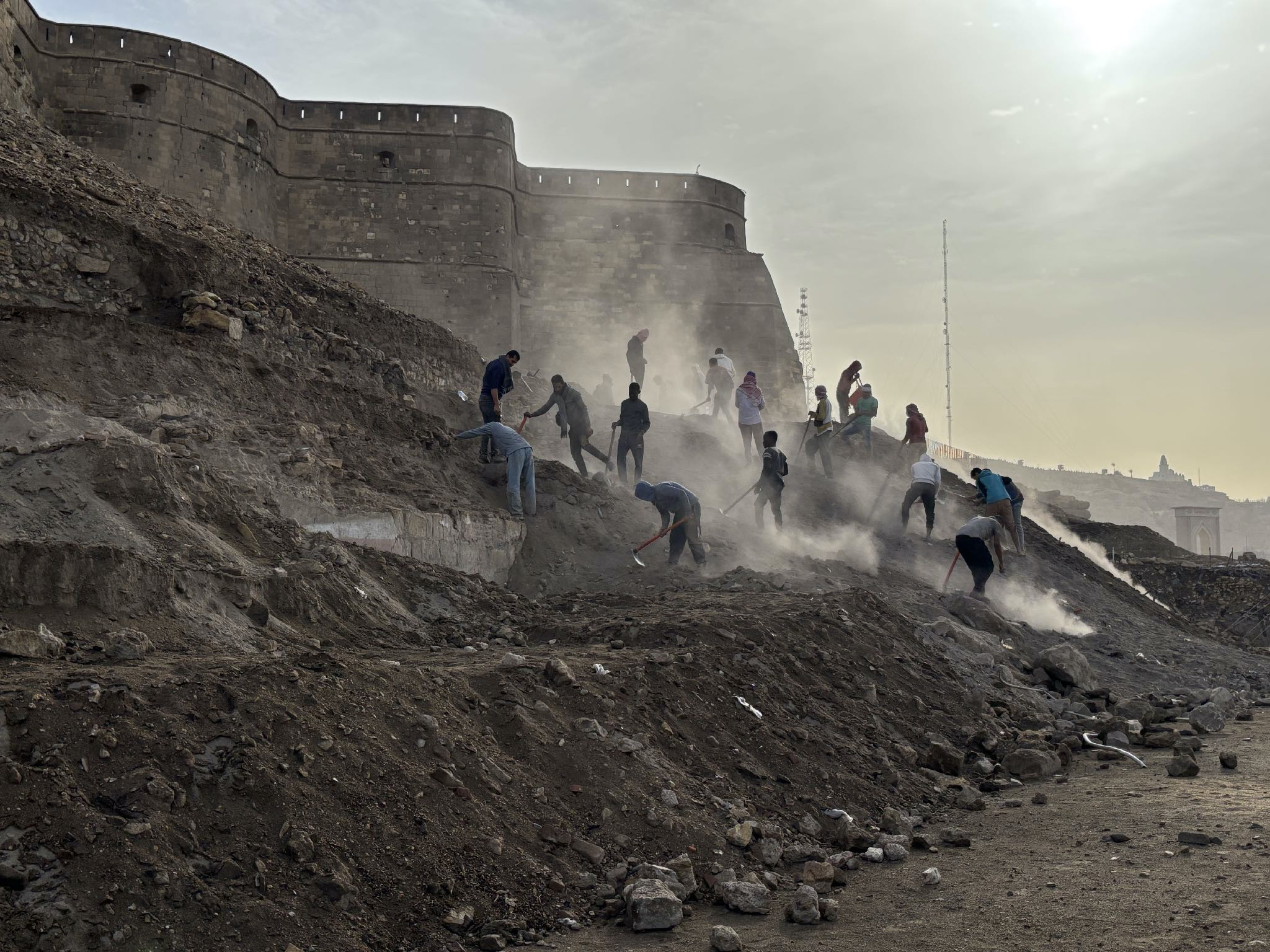
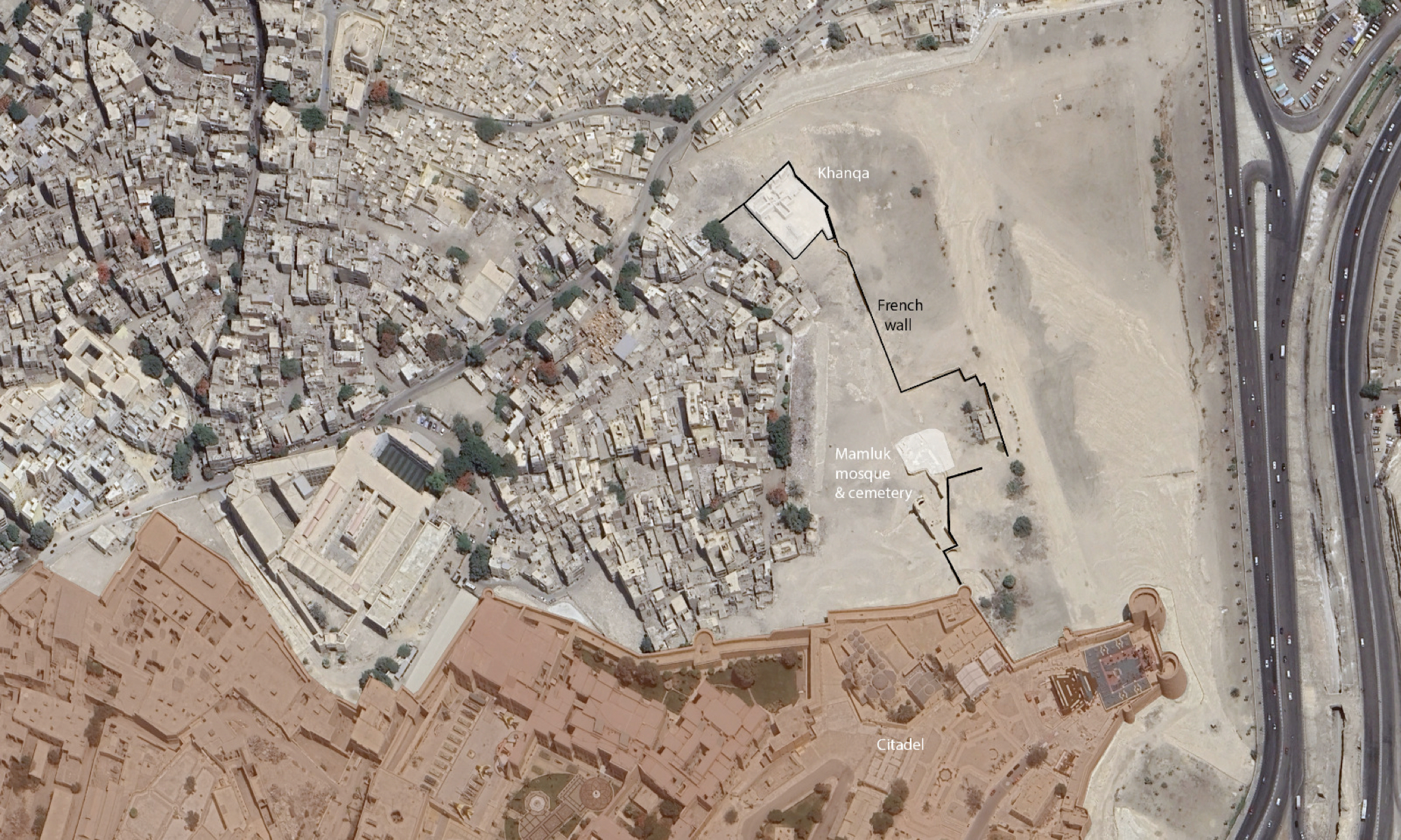
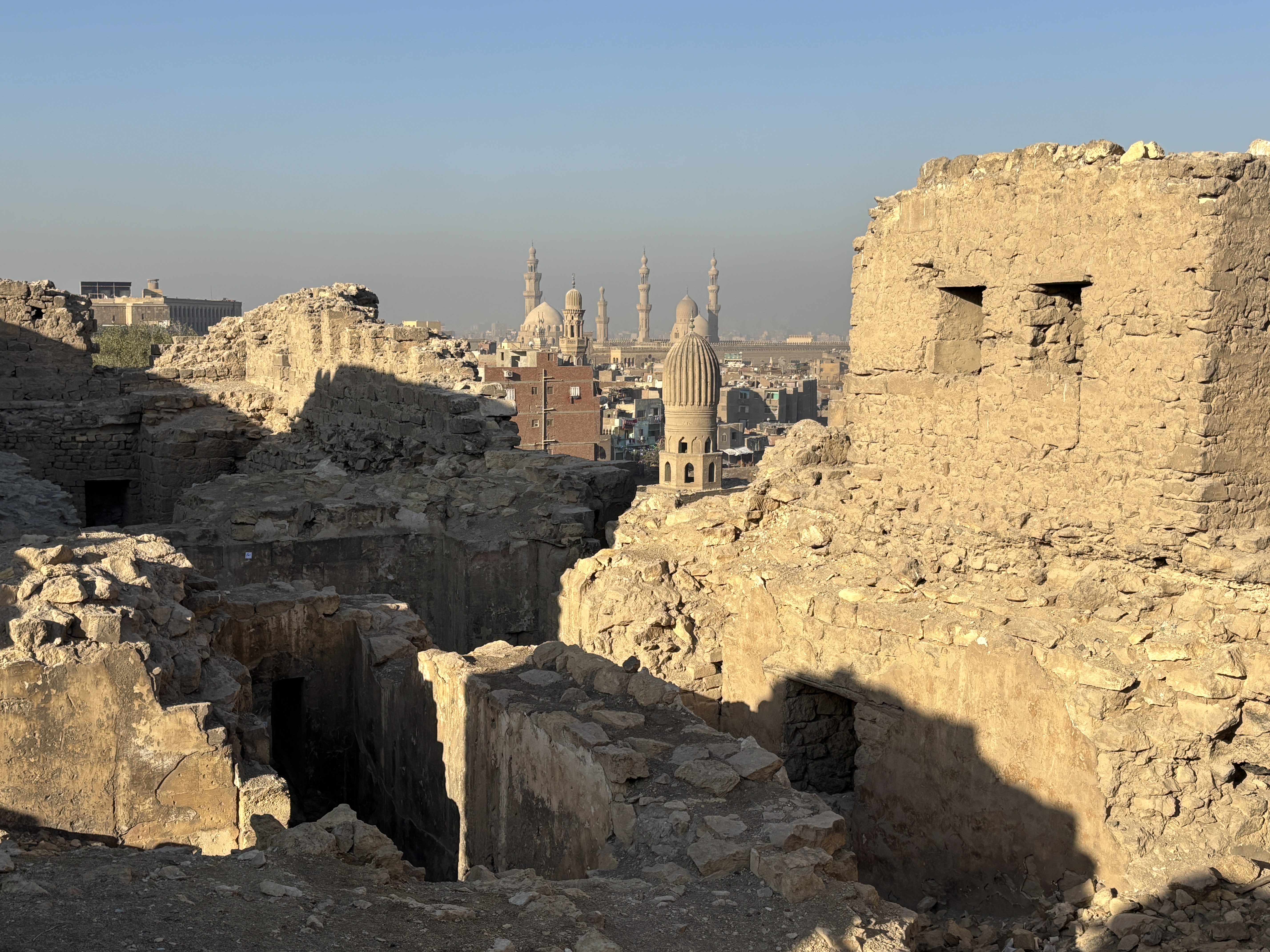
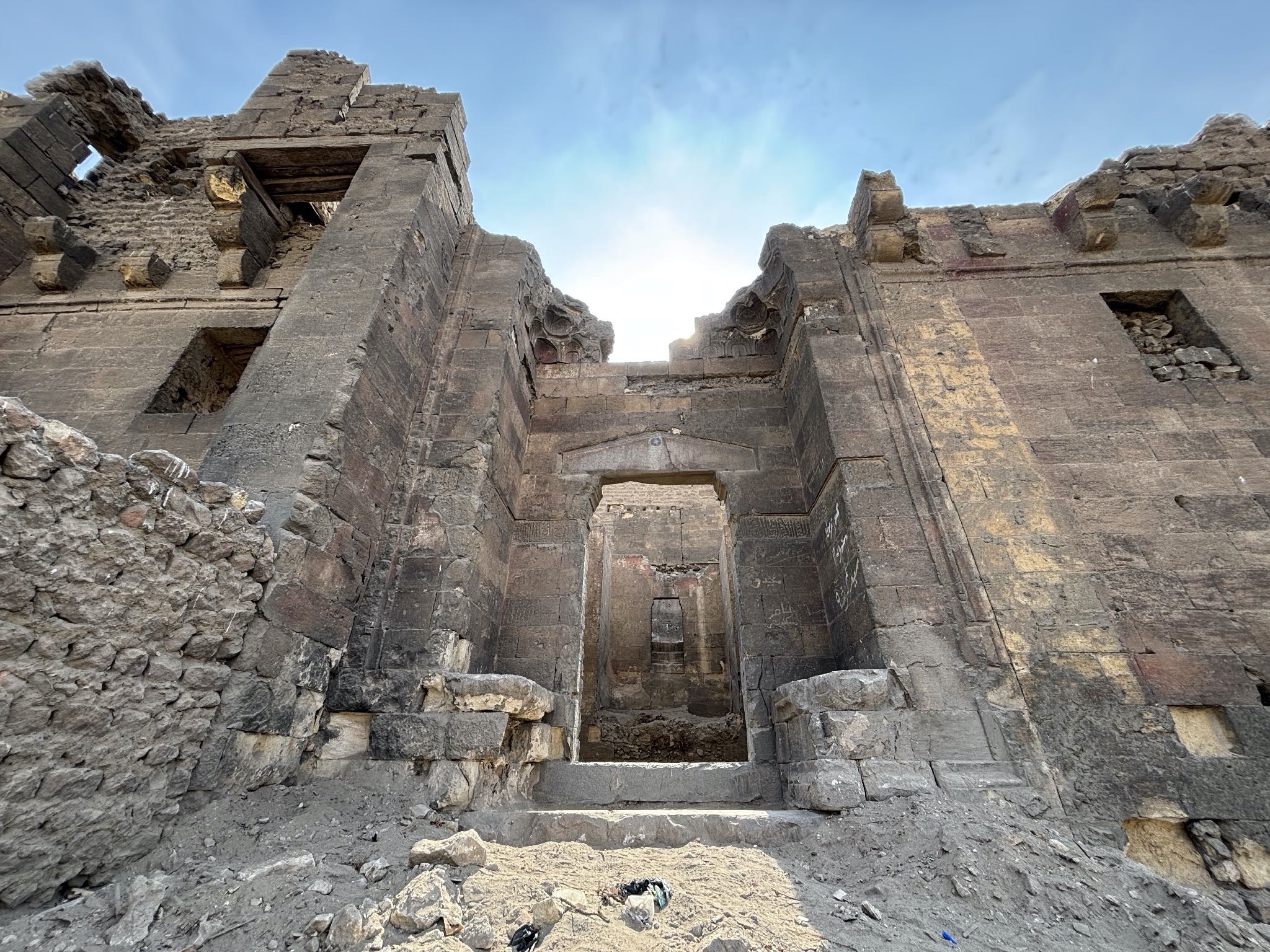
Walls of the Salah al-Din al-Ayyubi Citadel: Southern and northern external borders
Excavation and study Project
Dr. Mohamed Ibrahim Abd al-‘Al (Faculty of Archaeology Ain Šams University)
Dr. Simon Connor (French Archaeological Institute IFAO)
Introduction
In 2023, as part of the development of areas surrounding of the Cairo citadel, several neighbourhoods around the wall have been relocated by the Egyptian government. This concerns in particular two areas:
- The southern external enclosure where the aqueduct (Magra al-Ayoun) probably ends with a wheel tower attributed to Nasir Mohammed bin Qalawon (No. 369 in the Arab al-Yassār);
- the northern external enclosure where the Khanqa al-Nizāmiyah and the “Mosque of the seven sultans” (Mamluk period) are located.
Transformed into an open area, these grounds offer the unique opportunity to study a part of the exterior of the citadel enclosure, the associated developments (its link with the outlet of the aqueduct) as well as the possible occupations of the adjacent districts, during the Ayyubid, Mamluk and Ottoman eras. Indeed, no excavation has ever been carried out and many important questions remain unanswered.
The first two excavation seasons (2024-2025) were co-directed by Mohamed Ibrahim (Ain Shams University) and Joachim Le Bomin (IFAO), carried out at the Salah al-Din Citadel. Since 2026, the mission has been co-directed by Mohamed Ibrahim and Simon Connor (IFAO).
South Area (Arab al-Yasar)
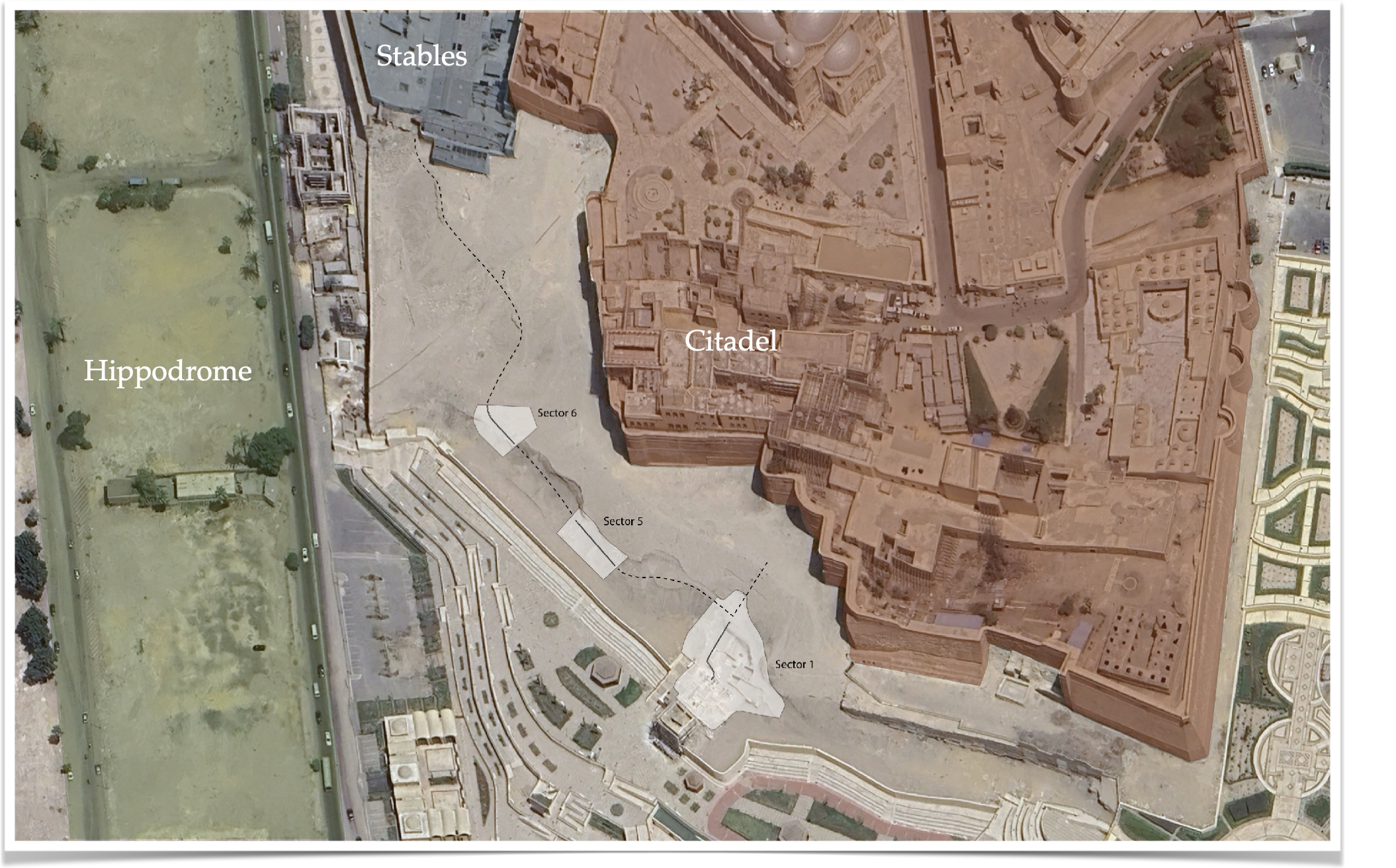
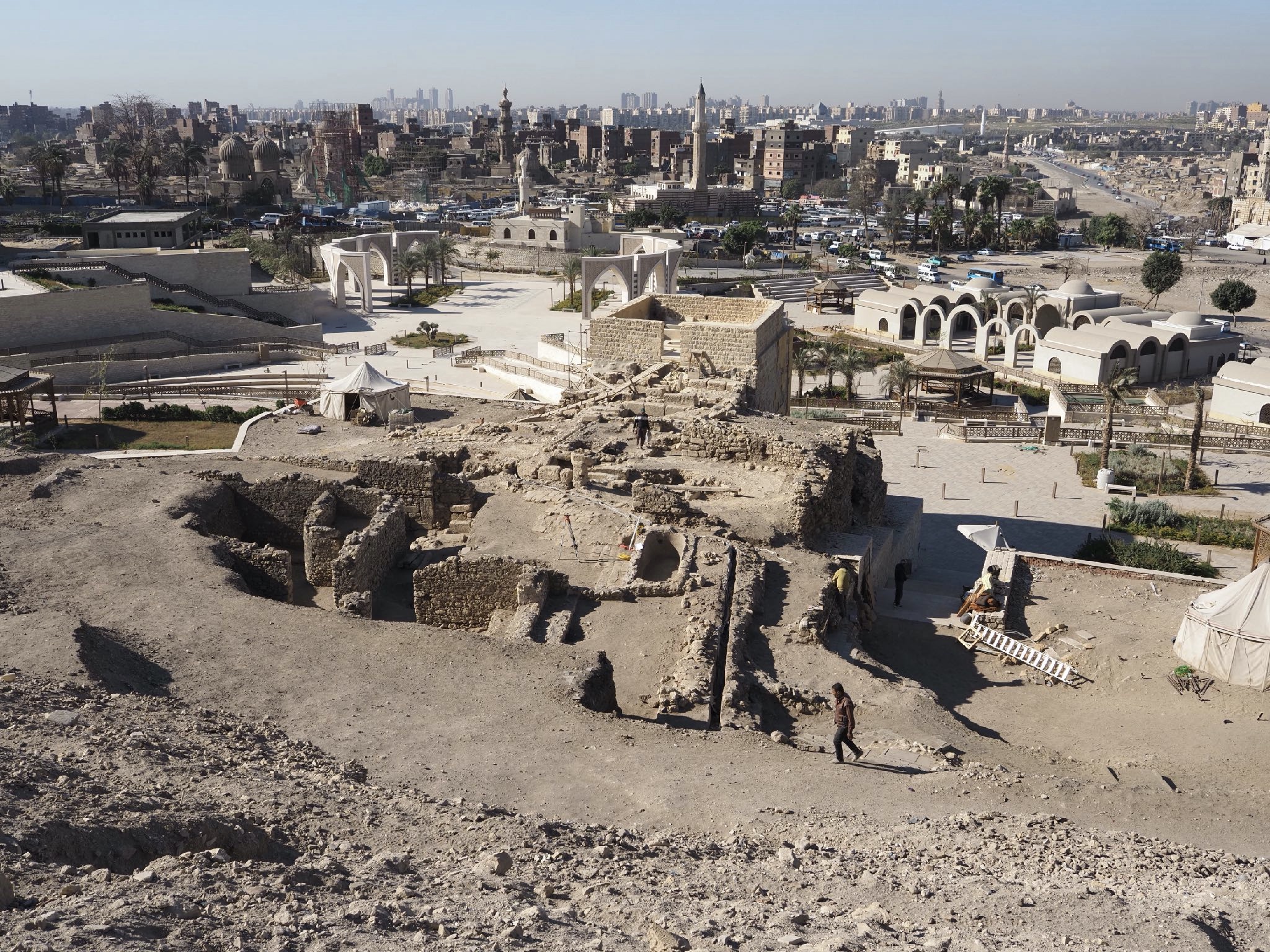
The project aims to clarify the organisation and historical development of the Citadel’s outer defensive system, with particular emphasis on its water supply network linked to the Magra al-‘Uyun aqueduct. Excavations conducted over three seasons have largely focused on the southern area (Arab al-Yasar), where a major Mamluk-period hydraulic complex was uncovered. This system includes large stone-built wells, saqiya-driven water-lifting mechanisms, and an associated network of conduits, likely forming the terminal installations of the aqueduct before water entered the Citadel (sector 1).
The discovery of this complex, along with its associated infrastructure (animal circulation paths, stables, storage facilities), reveals a highly organised and technically advanced system of water management. Complementary archaeological and historical analyses have begun to refine understanding of the aqueduct’s development, notably under Mamluk sultans al-Nasir Muhammad and Qansuh al-Ghawri, while also highlighting unresolved issues, such as the now-lost connection between the aqueduct and the Citadel. Architectural analysis revealed that the tower consists of a substantial masonry structure erected above a large subterranean cistern, which remains largely unexcavated. Preliminary observations suggest that water conveyed by the aqueduct was first collected in this reservoir before being mechanically raised towards the Citadel by means of saqiyas. Evidence for multiple construction phases has also been identified, including later modifications, notably at the summit of the saqiya tower, which may date to the Ottoman period or even the French occupation, when it seems to have been used as a defensive structure.
Recent work expanded westward with the identification of a stone-built canalisation extending from the saqiya area. Excavations in Sectors 5 and 6 confirmed the continuity of this conduit, whose regular gradient suggests a carefully engineered system adapted to the natural topography, possibly leading toward the royal stables. The stratigraphic evidence also documents successive phases of occupation, from Mamluk construction activity to modern reuse, including domestic structures and debris deposits.
The results of these ongoing excavations significantly enhance our understanding of the Citadel’s water supply system, notably through the identification of previously unknown terminal installations of the aqueduct. The evidence points to a coherent and large-scale hydraulic network, carefully integrated into both the natural landscape and the architectural framework of the Citadel. Future campaigns will be essential to reconstruct the full trajectory of the canalisation, clarify its connections within the Citadel, and establish a more precise chronology of the system’s development and use.
Future excavation campaigns also plan to investigate the full stratigraphic sequence, from the present surface down to the bedrock, in order to establish a more precise chronological framework for these deposits and to reconstruct the succession of events that shaped this sector of the site. Particular attention will be devoted to distinguishing between primary dumping phases (perhaps even from the time of Salah al-Din?) and later reworking processes, as well as to correlating these layers with documented phases of construction within the Citadel itself.
North Area (al-Hattaba)
In the al-Hattaba area, located to the north of the Citadel, excavations brought to light the remains of a mosque dating to the Mamluk period, together with a group of burials from several phases of Islamic period and containing human skeletal remains. A tomb tentatively dated to the early Islamic period – or possibly to the late Byzantine period – was identified, thereby opening new perspectives on the historical and urban development of the area.
In 2026, documentation was also initiated on the principal visible monument, the Nizamiyya Khanqa, located at the northern extremity of the rocky promontory on which the Citadel stands. This elevated position overlooks the Bab al-Wazir district – and more broadly encompasses the city of Cairo – and rises several dozen metres above the sabil of Shaykhu (755 AH / 1354 AD), at the edge of the centuries-old village of al-Hattaba.
The building, a square structure measuring approximately 35 x 35 m, presents the appearance of a fortress, and indeed it fulfilled such a function at some stage of its “life.” This contrasts with the inscription carved at its entrance, which identifies the building as a khanqa, a Sufi institution. This building was mentioned in several studies, but only recently identified by S. Pradines as Fort Martinet when it was reoccupied during the French occupation of Cairo (“Architecture militaire française au Caire, de 1798 à 1801”, Annales islamologiques 48/2 (2014), p. 269-320) and further published in 2017 by Mohamed Hamdi Metwally.
The monument presents a complex, multi-phase history combining religious, funerary, and military functions. Founded in 1357 by the Mamluk amir Nizam al-Din, the monument originally stood as a khanqa, although its architectural layout diverges from typical Cairene examples and may reflect a more flexible or hybrid function – perhaps due to its unusual location on a promontory. Later Ottoman-period descriptions portray it as a large and active religious complex (takiyya), combining spiritual, residential, and charitable roles.
Archaeological investigations have revealed that the site was subsequently reused as a cemetery, with a structured funerary layout centred on two principal limestone burial chambers, surrounded by additional vaulted and simpler graves. This funerary phase remains to be precisely dated but represents a significant transformation of the original building.
A major later phase occurred during the French occupation (1798–1801), when the khanqa was partially destroyed and converted into a small fort (Fort Martinet), integrated into a wider defensive system around the Citadel. This transformation involved substantial architectural modifications, including the addition of defensive features and the adaptation of the structure to military use.
Recent work has focused on documenting these successive phases through archaeological excavation, architectural study, and 3D recording, while also identifying reused materials (spolia), including elements likely originating from Pharaonic sarcophagi.
Ongoing and future research will be essential to clarify the building’s original layout, refine the chronology of its transformations, and ensure its preservation as a key testimony to the layered history of the site.
Source of funding for the Mission
Institut français d'archéologie orientale - IFAO
Team members
|
1 |
Dr Mohamed Ibrahim (archaeologist) |
Co-director of the mission Ayn Shams university |
|
2 |
Dr. Simon Connor (archaeologist) |
Co-director of the mission Scientific member - IFAO |
|
3 |
Dr. Pierre Tallet |
Director of IFAO |
|
4 |
Dr. Abbès Zouache |
Director of Studies IFAO |
|
5 |
Ḥāmid Yūsuf |
intendant |
|
6 |
Dr. Paul François (architect) |
French scientific institute (CNRS) |
|
7 |
Dr. Delphine Dixneuf (ceramologist) |
French scientific institute (CNRS) |
|
8 |
Dr. Julie Marchand (ceramologist) |
Musées royaux d’art et d’histoire Université Libre de Bruxelles |
|
9 |
Mohamed Gaber (topographer) |
IFAO |
|
10 |
Joachim Le Bomin (archaeologist) |
IFAO |
|
11 |
Ihab Ibrahim (photographer) |
IFAO |
|
12 |
Eman Aly Selim (restorer) |
IFAO |
|
13 |
Dr.Rawan Ahmed Adel(archaeologist) |
Ayn Shams university |
|
14 |
Dr.Nora Mohamed Husein(archaeologist) |
Ayn Shams university |
|
15 |
Dr.Ghada Nagy fayed(archaeologist) |
Ayn Shams university |
|
16 |
Ashraf Mahmoud (restorer) |
IFAO |
|
17 |
Younes Ahmed (restorer) |
IFAO |
أسوار قلعة صلاح الدين الأيوبي: الحدود الخارجية الجنوبية والشمالية
مشروع التنقيب والدراسة
المسئولين:
د. محمد ابراهيم عبد العال (كلية الآثار - جامعة عين شمس)
د. سيمون كونور (المعهد الفرنسي للآثار IFAO)
الشركاء:
ü المعهد العلمي الفرنسي للأثار الشرقية بالقاهرة
ü كلية الاثار جامعة عين شمس
مقدمة:
في عام ٢٠٢٣، قامت الحكومة المصرية - كجزء من تطوير قلعة صلاح الدين بالقاهرة التي بنيت في العصر الأيوبي - بنقل العديد من الأحياء الواقعة حول الأسوار الخارجية من اجل اعمال الحماية والتطوير لمدينة القاهرة بشكل كامل. ويتعلق هذا المشروع على وجه الخصوص بمنطقتين
Ø السور الخارجي الجنوبي (منطقة ١) حيث تنتهي القناة المائية (سور مجري العيون) على الأرجح ببرج الساقية الذي ينسب إلى السلطان المملوكي الناصر محمد بن قلاوون (أثر رقم ٣٦٩ - عرب اليسار).
Ø السور الخارجي الشمالي حيث تقع الخانقاة النظامية ومسجد السبع سلاطين وبقايا سور صلاح الدين (الفترة المملوكية).
بعد تحويل تلك الأماكن إلى منطقة مفتوحة، توفر هذه المناطق فرصة فريدة لدراسة جزء من السياج الخارجي من القلعة والتطورات المرتبطة به (ولا سيما ارتباطها بمخرج القناة المائية) بالإضافة إلى التطورات التي تمت وخاصة في العصرين الأيوبي والمملوكي. في الواقع، لم يتم إجراء أي حفائر على الإطلاق هناك، ولا تزال العديد من الأسئلة المهمة تبقى دون إجابة ويهدف هذا المشروع إلى الإجابة وكشف اللثام عن هذه التساؤلات الهامة.
قلعة الجبل بالقاهرة:
كانت قلعة صلاح الدين بالقاهرة عبارة عن مجمع محصن ضخم ومقر إقامة ملكي (قلعة الجبل) أنشأها صلاح الدين الأيوبي بين عامي 572هـ - 604هـ/ 1176- 1207م، ومن المحتمل أن يكون انتهى العمل بها في بداية القرن السابع الهجري/ الثالث عشر الميلادي على يد السلطان الكامل (576-645هـ/ ١٢١٨-١٢٣٨م). لقد كانت جزءًا من برنامج واسع من التحصينات المشاركة في الدفاع عن مدينة القاهرة خلال فترة الصراع مع الصليبيين.
تم بناؤها على نتوء صخري (المقطم)، خارج المنطقة الحضرية، التي تهيمن عليها بمساحة تبلغ حوالي 10 هكتارات، وتلعب دور التحصين المزدوج في السياج الذي يبلغ طوله حوالي ١٢ كيلومترًا والذي يضم ما يقرب من ٨٠ برجًا، وكان الهدف الأوحد من بنائها هو ربط المدينة القديمة أي مدينة مصر الفسطاط مع مدينة الخلافة القاهرة وسورها المبني على مساحة ٢٢٥٠م على يد الفاطميين في القرن نهاية الرابع الهجري/ العاشر الميلادي، والذي أعيد بناؤه بعد ذلك بالحجر بين عامي 470هـ/ ١٠٨٧ و484هـ/ ١٠٩٢م. وبعيدًا عن الجانب العسكري، يهدف بناء القلعة بشكل رمزي إلى إبراز قوة الأيوبيين وتوضيح تفوق هؤلاء على الفاطميين. وفي وقت لاحق، تركزت الأعمال المعمارية العسكرية الرئيسية للمماليك والعثمانيين فقط على القلعة، مقر السلطة والجهاز الرئيسي للدفاع عن المدينة. وخلال الفترة العثمانية بوجه خاص، خضعت القلعة للعديد من التغيرات والتجديدات مع بناء برج المقطم وإعادة بناء الأسوار الخارجية.
ومن المباني التي تشارك في عمل القلعة قناة مائية بنيت في العصر الأيوبي في عهد صلاح الدين وخلفائه، ولكن تمت إزالتها وتحسينها في عصر المماليك على يد السلطان الناصر محمد في بداية القرن الثامن الهجري/ الرابع عشر الميلادي حيث ترتبط بنهر النيل، وتبدأ من الطرف الغربي للسور بالقرب من الفسطاط (على شاطئ النيل)، حيث ترتفع المياه من خلال سلسلة من السواقي، وتجري من هناك إلى القلعة. قام صلاح الدين بعمل البئر الحلزوني الشهير داخل القلعة (المعروف أيضًا باسم بير يوسف)، بالإضافة إلى نظام القناة، والذي قد يوفر المياه في أوقات الحصار إذا تم إغلاق القناة.
١. مناطق العمل والدراسة:
١.١. المنطقة ١: السور الجنوبي
تقع المنطقة ١ في الجزء الجنوبي، خارج اسوار القلعة وتبلغ مساحتها حوالي ٨٢٠٠ م٢ على طول الجدار الجنوبي بطول حوالي ١٦٠م وعرض ٦٠م جنوبًا. تضم هذه المنطقة المحددة في جزئها الجنوبي الغربي برج الساقية الذي ينسب إلى السلطان الناصر محمد بن قلاوون سنة ٧١٢هـ/١٣١٢م. وهو ينتمي إلى المحيط الخارجي للتحصينات ومن المحتمل أنه يقع عند مخرج سور مجري العيون.
تهدف عمليات الفحص الأولي إلى دراسة الجزء الخارجي من السور، وتسليط الضوء على نظام إمداد المياه النهائي للقلعة من سور مجري العيون مع أخر برج خارج الحصن وإدارة ترميم المباني المرتبطة التي تنتهي ببرج الساقية.
١.٢. المنطقة الثانية: قطاع الجدار الشمالي
أما المنطقة الثانية فتقع في الجزء الشمالي الشرقي خارج سور القلعة وتبلغ مساحتها حوالي ٣٥٠٠٠م٢. وتحد منطقة الحطابة ذلك القطاع الذي يقدم بانوراما فريدة للمنطقة. يتميز هذا الجزء من القلعة بوجود حصن متقدم يحيط به برجان (برج الرملة وبرج الحداد) ربما ينتميان إلى برنامج صلاح الدين المعماري لتحصين مدينة القاهرة. ومن أهم المباني المملوكية في هذه المنطقة مبني الخانقاة النظامية. الخانقاة النظامية هو اسم الخانقاة التي بناها الأمير المملوكي نظام الدين سنة ٧٥٧هـ. وتقع هذه الخانقاة في ضاحية منطقة الحطابة، وتمتد إلى قلعة صلاح الدين من الجهة الشمالية. وتقع هذه الخانقاة تحديدًا في مكان مرتفع عن مستوى منطقة باب الوزير في قمة الهضبة الصخرية المرتفعة. أقيمت الخانقاة النظامية بجوار القلعة في منطقة الحطابة، وبسبب الأحداث العسكرية والسياسية التي جرت هناك تعرضت المنطقة للنهب والتدمير. ووقعت غالبية هذه الأحداث في ظل الحكم المملوكي والعثماني. وشملت الأحداث التي شهدتها المنطقة هدم وتخريب وتغيير معالم من قِبل الاحتلال الفرنسي، ومن بينها هدم منارة الخانقاة النظامية وتحويلها إلى حصن دفاعي.
كما توجد بالمنطقة بقايا سور القاهرة الشرقي، أحد أقسامها المفقودة والتي لم يتم الكشف عنها سابقًا، وهي متصلة بأسوار قلعة الجبل. كما توجد بقايا لمسجد الترابي الذي يعود إلى العصر المملوكي. توجد أيضًا آثار لبقايا معمارية أخرى، قد يكون بعضها مملوكيًا في الأصل. كذلك هناك بئر ضخم يقوم بإمداد الماء إلى مسجد سارية الجبل داخل القلعة. ومن أجل اكتشاف تلك الآثار والمنشآت المرتبطة بالقلعة من هذا الجانب، يجب استكشاف مساحة كبيرة منها والقيام بعمل حفائر علمية.
- المشروع الأثري والدراسي:
المشروع الأثري والدراسي هو تعاون وإدارة مشتركة بين المعهد الفرنسي للآثار الشرقية بالقاهرة ممثلًا في الدكتور يواقيم لوبومين (رئيس قسم الآثار) وجامعة عين شمس (كلية الآثار) ممثلة في الدكتور محمد إبراهيم. يتعلق الأمر بمنطقتين تقعان خارج أسوار القلعة، لم يتم عمل أية حفائر فيهما مطلقًا حتى اليوم. وهو أمر أساسي لدراسة القاهرة التاريخية والأثرية في العصور الوسطى وللتعرف على هذا الأثر الذي يحمل قيمة رمزية مهمة للغاية. وستسلط هذه الحفائر، التي سيتم إجراؤها وفقًا للقوانين المصرية وتحت إشراف وزارة السياحة والآثار، الضوء على التراث التاريخي والمعماري للعصر الإسلامي للمدينة. وبعد ذلك، يجب استغلال الموقع من الناحية التراثية، والاستفادة منه بشكل مثالي بما يعود بالنفع على المتخصصين والبيئة المحيطة.
وقد بدأت البعثة موسمها الأولى في شهر أغسطس 2024 بالعمل في كلا الموقعين، وقد نجحت بالموقع الأول في الكشف عن عدد من المجاري المائية التي تقوم بتوصيل المياه الى قلعة الجيل، كذلك تم الكشف عن برجين ضخمين يعودا الى الفترة المملوكية وتحديدًا فترة الناصر محمد بن قلاوون مخصصين لحفظ المياه وتخزينها، وتم الكشف عن عدد أربعة سواقي وكذلك المدرات المخصصة للحيوانات وهي تكشف لأول مرة وكذلك عدد من احواض المياه والجدران وبقايا ابنية تابعة للنظام المائي المتصل بسور مجري العيون، إضافة الى عدد من القطع الفنية التي تعود الى فترات زمنية مختلفة.
وبالموقع الثاني تمت عمليات التوثيق والرفع المعماري للمنشآت الباقية وتجري عمليات الدراسة الميدانية تمهيدا لبدء اعمال الحفائر بالموسم الثاني.
مصدر تمويل البعثة
المعهد الفرنسي للآثار الشرقية
فريق العمل المبدئي
|
مدير البعثة |
د. محمد إبراهيم (باحث في علم الآثار) |
١ |
|
المدير المشارك للبعثة |
د. يواقيم لوبومين (باحث في علم الآثار) |
٢ |
|
مدير المعهد الفرنسي للآثار الشرقية
|
د. بيير تاليه |
٣ |
|
مدير الدراسات بالمعهد الفرنسي للآثار الشرقية |
د. عباس زواش |
٤ |
|
جامعة عين شمس |
د. أحمد الشوكي |
٥ |
|
المدير الإداري للحفائر |
حامد يوسف |
٦ |
|
المعهد العلمي الفرنسي (المركز القومي للبحث العلمي) |
د. بول فرانسوا (مهندس معماري) |
٧ |
|
باحث في علم الخزف والفخار |
د. جولي مونشون |
٨ |
|
المعهد الفرنسي للآثار الشرقية |
محمد جابر (مساح) |
٩ |
|
جامعة عين شمس |
د. وليد أحمد صلاح الدين العلايلي (باحث في علم الآثار) |
١٠ |
|
المعهد الفرنسي للآثار الشرقية |
إيهاب إبراهيم (مصور) |
١١ |
|
المعهد الفرنسي للآثار الشرقية |
ماتياس كاشيشنيك (مصور) |
١٢ |
|
رئيسة أقسام الدارسات الأركيومترية بالمعهد العلمي الفرنسي |
د. أنيتا كيلس (باحث في علم الأركيومتري) |
١٣ |
|
المعهد الفرنسي للآثار الشرقية |
د. سيلفي مارشان (باحث في علم الخزف والفخار) |
١٤ |
|
المعهد الفرنسي للآثار الشرقية |
د. سيمون كونور (باحث في علم الآثار) |
١٥ |
|
المعهد الفرنسي للآثار الشرقية |
د. فالنتينا جسبريني (باحث في علم الخزف والفخار) |
١٦ |
|
جامعة عين شمس |
أشجان أحمد (باحث في علم الآثار) |
١٧ |
|
جامعة عين شمس |
غادة عبد السلام ناجى فايد (باحث في علم الآثار) |
١٨ |
|
جامعة عين شمس |
نورا عبد القادر (باحث في علم الآثار) |
١٩ |
|
جامعة عين شمس |
روان أحمد عادل (باحث في علم الآثار) |
٢٠ |
|
جامعة عين شمس |
نورا محمد حسين (باحث في علم الآثار) |
٢١ |
|
المعهد الفرنسي للآثار الشرقية |
نيقولا سوشون (أخصائي بيانات) |
22 |