

Catalogue des publications
Les achats en ligne sont suspendus, sauf pour les fichiers. Veuillez noter que l'Ifao sera fermé du 31 juillet au 31 août inclus - Please note that the Ifao will be closed from 31st of July to 31st of August - برجاء العلم أن المعهد سيكون مغلقا من 31 يوليو إلى 31 أغسطس Veuillez contactez : ventes@ifao.egnet.net. J'ai un code promotionnel.
On line orders are suspended, except for files. Veuillez noter que l'Ifao sera fermé du 31 juillet au 31 août inclus - Please note that the Ifao will be closed from 31st of July to 31st of August - برجاء العلم أن المعهد سيكون مغلقا من 31 يوليو إلى 31 أغسطس Please contact : ventes@ifao.egnet.net. I have a promotional code.
extrait du catalogue (recherche de “9782724711059”)
ISBN 9782724711059
2026 IFAO
Collection: MIFAO 159
Langue(s): français
1 vol. 716 p.
149 € (7842 EGP)
Chloé Ragazzoli
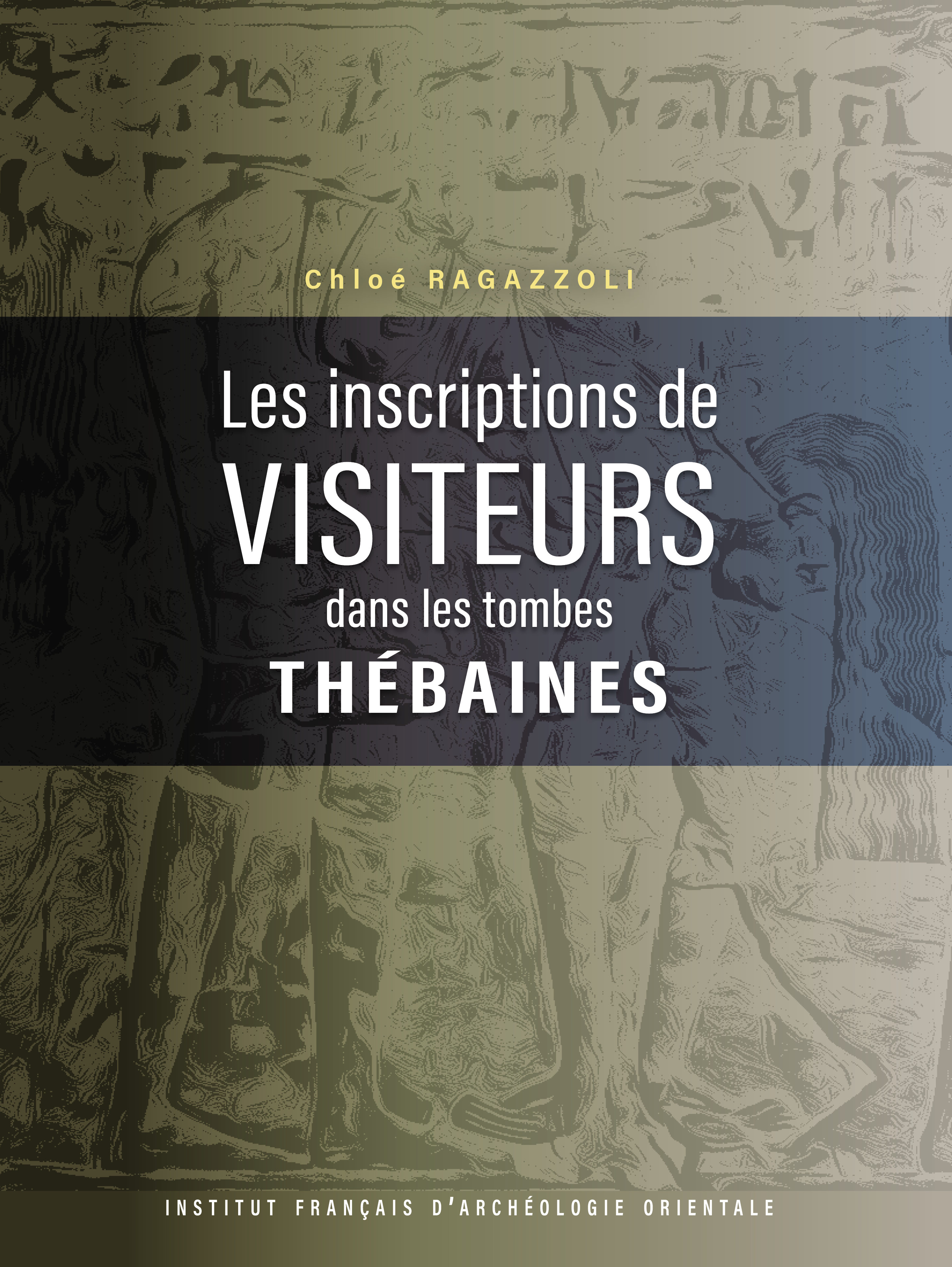
Les Inscriptions de visiteurs dans les Tombes thébaines
Au Nouvel Empire, il était courant pour les scribes de laisser un témoignage écrit de leur passage dans les chapelles de tombe, au sein même de la décoration. Cet ouvrage rassemble l’ensemble de ces inscriptions de visiteurs pour la nécropole thébaine, après dix années de travail sur le terrain et dans les archives.
Il peut s’agir de simples signatures, mais aussi d’offrandes funéraires sous forme de textes littéraires, tout comme de biographies clandestines. D’autres graffiti mettent en scène l’identité des signataires et comprennent des prières à leur propre bénéfice. Souvent omises dans les publications, ou considérées ponctuellement pour les données historiques qu’elles peuvent contenir (dates, éléments de prosopographie), ces inscriptions permettent d’aborder des pratiques manuscrites dans leur contexte social, matériel et spatial. Majoritairement inscrits en hiératique très soigné, ces dipinti constituent l’ostentation d’une identité lettrée et d’un usage particulier de l’écriture habituellement réservée aux manuscrits littéraires.
L’ouvrage présente l’édition et le commentaire philologique de près de deux cents inscriptions secondaires inédites, données en photographie, fac-similé, transcription hiéroglyphique, translittération et traduction. Une vaste introduction synthétique établit une cartographie matérielle et textuelle de ce corpus qui fait partie intégrante de la scripturalité de son temps et exploite les données sociales, culturelles et religieuses qu’il renferme. Le lecteur part ainsi à la suite de ces scribes, membres de l’administration des complexes funéraires royaux de la rive ouest thébaine, qui circulent dans la montagne au gré de leurs tâches et liens professionnels et privés, de leurs intérêts intellectuels ou de leur religiosité. Ces scribes négocient au sein même de la décoration des tombes une place pour développer leur identité corporative et bénéficier de l’efficacité rituelle du lieu. Les pratiques dont ces inscriptions sont la trace dévoilent un large volet de ce qu’on peut appeler la culture de scribe du Nouvel Empire.
During the New Kingdom, it was common for scribes to leave a written record of their visit to tomb chapels, the record being incorporated directly into the decoration. This volume brings together these visitor inscriptions from the Theban necropolis, following ten years of fieldwork and archival research.
These may be simple signatures, but also funerary offerings in the form of literary texts, as well as clandestine biographies. Other graffiti highlight the signatories’ identities and include prayers for their own benefit. Often omitted from publications, or else considered only occasionally for the historical data they may contain (dates, prosopographic details), these inscriptions allow us to examine writing practices within their social, material, and local contexts. Mostly inscribed in very careful hieratic script, these dipinti constitute a display of a literate identity and a particular use of writing usually reserved for literary manuscripts.
The volume presents the edition and philological commentary of nearly two hundred previously unpublished secondary inscriptions, provided as photographs, facsimiles, hieroglyphic transcriptions, transliterations, and translations. A comprehensive introductory overview establishes a material and textual mapping of this corpus, which is an integral part of the scriptural culture of its time, and draws upon the social, cultural, and religious data it contains. The reader thus follows in the footsteps of these scribes—members of the administration of the royal funerary complexes on the West Bank of Thebes—who move through the mountain range according to their professional and private duties and connections, their intellectual interests, or their religiosity. These scribes negotiate a place within the very decoration of the tombs in order to develop their professional identity and benefit from the ritual efficacy of the site. The practices evidenced by these inscriptions reveal a broad aspect of what might be called the scribal culture of the New Kingdom.
كان من الشائع في الدولة الحديثة أن يترك الكتبة شهادة مكتوبة داخل الزخرفة نفسها، تُعَبِّر عن مرورهم في مقاصير المقبرة. يجمع هذا المُؤَلَّف كل تلك "كتابات الزوار" لجَبَّانة طيبة بعد عشر سنين من العمل الميداني والأرﺷﻴﭭﻲ. وهي تتراوح ما بين توقيعات بسيطة، وقرابين جنائزية في شكل نصوص أدبية، بالإضافة إلى سِيَّر ذاتية خَفِيَّة. وتُظهِر مُخربشات أخرى هَوِيَّة الموقعين عليها، وتتضمن دعوات لمنفعتهم الخاصة. تتيح هذه الكتابات إمكانية التعامل مع الممارسات المكتوبة بخط اليد في سياقها الاجتماعي والمادي والمحلي. وهي غالبًا ما تُحذف من النَشْر أو تُؤْخَذ فقط في الاعتبار من وقت لآخر من أجل البيانات التاريخية التي قد تحتويها (تواريخ وجوانب من طرق التعرُّف على الأشخاص). كما تُصاغ هذه اﻟنقوش المرسومة التي كُتِبَت معظمها بأسلوب هيراطيقي دقيق للغاية، من أجل التباهي بِهَوِيَّة مثقفة، وباستخدام مميز للكتابة مخصص عادة للمخطوطات الأدبية. يقدم الكتاب التحرير والتعليق الفيلولوجي لما يقرب من مائتيّ من النقوش الثانوية التي لم تُنشر من قبل، مع تقديمها في صورة فوتوغرافية وصورة طبق الأصل ونَسْخ بالهيروغليفية والكتابة الصوتيّة وترجمة. وتوضح مقدمة تحليلية مطوّلة عملية المسح الماديّ والنصيّ لهذا المتن، الذي يشكل جزءًا لا يتجزأ من الطابع الخَطِّي الأساسي في عصره، كما توظف ما يحتويه من معطيات اجتماعية وثقافية ودينية. وهكذا يتتبع القارئ هؤلاء الكتبة أعضاء إدارة المجموعات الجنائزية الملكية على ضفة طيبة الغربية، الذين يتنقلون في الجبل حسب مهامهم وارتباطاتهم المهنية والخاصة، أو حسب اهتماماتهم الفكرية أو تَدَيُّنُهُم. كان هؤلاء الكتبة يتفاوضون على مكانٍ ضمن زخرفة المقابر من أجل تعزيز هويتهم المرتبطة بالطائفة، والاستفادة من فعالية الطقوس الخاصة بالموقع. وتكشف الممارسات التي تدل عليها هذه الكتابات عن جزء كبير يمكن أن نُطلق عليه ثقافة الكاتب في الدولة الحديثة.
- Chloé Ragazzoli (
 : 132231360)
Chloé Ragazzoli est égyptologue, spécialiste d’histoire culturelle et des pratiques lettrées de l’Égypte ancienne. Elle est actuellement directrice d’études à l’École des Hautes Études en Sciences sociales où elle occupe une chaire intitulée « Écritures, savoirs, pouvoirs : le laboratoire égyptien » et ses recherches portent sur l’écriture, les scribes, les textes anciens et leur expérience moderne. Elle mène notamment un programme de terrain sur les inscriptions que les scribes de l'Égypte ancienne laissaient sur les monuments qu’ils visitaient.
- Vous pouvez acquérir ce(s) fichier(s) PDF issu(s) de cet ouvrage en cliquant sur le nom du fichier puis 'Ajouter au panier'.
- You can buy theses PDF files extracted from this book by clicking on the file name then 'Add to cart'.