 ↓
↓Lettre d’information de l’Ifao
Juillet 2026
Rubriques : (-) À la une (-) Vie du Palais (-) Quelques questions à Naglaa Boutros... (-) Le carnet de l'Ifao (-) Manifestations scientifiques (-) Sur la chaîne Youtube de l'Ifao (-) Publications

◼︎ Visites des directeurs de l'Ifao sur différents chantiers archéologiques ©Ifao
À la Une
Visites des chantiers de l’Ifao - زيارات بعثات الحفائر الأثرية للمعهدLe premier semestre de l'année 2026 a été marqué par une série de visites de terrain effectuées par la direction de l'Ifao auprès des missions archéologiques actives dans cette période de l’année. Ces déplacements témoignent de l'engagement de l'Institut et du suivi de ses chantiers de fouilles.Ils permettent à la direction de l'Ifao d'évaluer l'avancement des travaux (fouilles, documentation, restauration, etc.), mais aussi d'identifier les besoins des équipes sur le terrain et de renforcer les liens avec les partenaires égyptiens et internationaux impliqués. Pierre Tallet, directeur de l'Ifao, et Abbès Zouache, directeur des études, ont inauguré cette série de déplacements dès les premiers jours du mois de janvier par la visite de la mission archéologique d'Ayn Soukhna, au bord de la mer Rouge. Puis ils se sont rendus sur le site Qal'at Cheikh Hammâm, près de Qena, où d’importantes découvertes ont été réalisées ; elles ont été largement relayées par la presse égyptienne (voir plus bas). Ils ont ensuite poursuivi leur tournée par la visite de chantiers archéologiques situés dans les oasis du désert Occidental (mission de Balat/Ayn Asil ; mission de Douch) ainsi que dans le Fayoum, où ils ont pu apprécier les recherches menées par la mission archéologique de Biahmu, récemment créée par Simon Connor et Ashraf Sobhi. اتسمت الأشهر الأولى من عام ٢٠٢٦ بسلسلة من الزيارات الميدانية التي قامت بها إدارة المعهد الفرنسي للآثار الشرقية إلى بعثات الحفائر الأثرية التي كانت تعمل خلال هذه الفترة من السنة. وتعكس هذه الزيارات التزام المعهد ومتابعته عن كثب لمواقع الحفائر التابعة له. كما تتيح لإدارة المعهد الوقوف على مدى تقدم الأعمال الجارية، بما في ذلك أعمال التنقيب والتوثيق والترميم وغيرها، فضلًا عن تحديد احتياجات الفرق العاملة في المواقع، وتعزيز أواصر التعاون مع الشركاء المصريين والدوليين المشاركين في هذه المشاريع. وقد استهلّ بيير تاليه، مدير المعهد، وعباس زواش، مدير الدراسات، هذه السلسلة من الزيارات منذ الأيام الأولى من شهر يناير، بزيارة البعثة الأثرية في العين السخنة على ساحل البحر الأحمر. ثم توجها إلى موقع قلعة شيخ العرب همام، بالقرب من قنا، حيث تم التوصل إلى اكتشافات أثرية مهمة حظيت بتغطية إعلامية واسعة في الصحافة المصرية (انظر أدناه). بعد ذلك، واصلا جولتهما بزيارة عدد من مواقع الحفائر الأثرية في واحات الصحراء الغربية، (ومنها بعثة بلاط/عين أصيل وبعثة دوش). وذلك إلى جانب مواقع الحفائر في الفيوم، حيث أتيحت لهما فرصة الاطلاع على الأبحاث التي تجريها البعثة الأثرية في بيهمو، التي أنشأها مؤخرًا سيمون كونور وأشرف صبحي. |
||
|
Ces visites de terrain se sont poursuivies tout au long des mois de février et de mars. En particulier, au début du mois de février, Pierre Tallet et Abbès Zouache se sont rendus à Deir el-Médina, célèbre village des artisans des tombes royales, à Dendara ainsi que sur le site qui abrite la tombe du prêtre-lecteur Padiaménopé (TT 33). Après leur retour au Caire, ils ont pu mesurer l'ampleur des travaux menés par la mission franco-égyptienne de la Citadelle du Caire, qui réalisait sa troisième campagne, sous la direction de Simon Connor (Ifao) et Mohamed Ibrahim (Université Ayn Chams). Enfin, en avril, Pierre Tallet s'est rendu sur le site de Taposiris-Plinthine, en Maréotide, où il a été reçu par l'équipe dirigée par Sylvain Dhennin. تواصلت هذه الزيارات الميدانية على امتداد شهري فبراير ومارس. ففي مطلع شهر فبراير على وجه الخصوص، توجّه بيير تاليه وعباس زواش إلى دير المدينة، القرية الشهيرة التي كان يقطنها الحرفيون العاملون في تشييد وتزيين المقابر الملكية، كما زارا دندرة، فضلًا عن الموقع الذي يضم مقبرة الكاهن القارئ پـادي آمون أوپت (TT 33). وبعد عودتهما إلى القاهرة، أتيحت لهما فرصة الوقوف على حجم الأعمال التي تنفذها البعثة الفرنسية-المصرية في قلعة صلاح الدين الأيوبي بالقاهرة، والتي كانت تباشر موسمها الثالث من الحفائر، تحت إشراف سيمون كونور (المعهد الفرنسي للآثار الشرقية) ومحمد إبراهيم (جامعة عين شمس). وأخيرًا، في شهر أبريل، توجّه بيير تاليه إلى موقع تاپوزيريس-پلانتين، في منطقة مريوط، حيث استقبلته البعثة الأثرية التي يرأسها سيلفان دنان. |
◼︎ Visite de la tombe du prêtre-lecteur Padiaménopé (TT 33) ©Ifao |
|
Nouvelles des chantiers et des programmes - أخبار من مواقع الحفائر والبرامج البحثيةDix-huit opérations de terrain (archéologie et épigraphie) ont eu lieu pendant le premier semestre de l'année 2026 : celles de Qal‘at Cheikh Hammâm, Ayn Soukhna, Balat, Deir el-Medina, TT 33, Biahmu (Fayoum), Sanctuaires osiriens (Karnak), Dendara, Ouadi Sannour, Stèles funéraires islamiques (Le Caire), Coptos, Citadelle du Caire, Ouadi el-Jarf, Bahariya, Philadelphie, Taposiris Magna et Plinthine, Medamoud et Qubbat al-Hawa. Ces chantiers illustrent la diversité des terrains sur lesquels l’Ifao et ses partenaires interviennent. Parmi les découvertes à retenir, signalons celles réalisées par les membres de la mission archéologique de Cheikh al-Arab Hammâm, dans le village d'Al-Araki (province de Qena). Cette mission franco-égyptienne est dirigée par le professeur Ahmad Al-Shoky, collaborateur scientifique de l'Ifao et vice-doyen de la faculté d'archéologie de l'université d'Ayn Chams. Les archéologues ont mis au jour les vestiges d'une ville résidentielle construite en briques crues et datant du XVIIIe siècle. Ils y ont aussi découvert un cimetière copte d'époque byzantine . (voir le Communiqué du cabinet du Premier ministre d'Égypte). شهد النصف الأول من عام ٢٠٢٦ تنفيذ ثماني عشرة بعثة ميدانية في مجالي علم الآثار والنقوش، شملت مواقع: قلعة شيخ العرب همام، والعين السخنة، وبلاط، ودير المدينة، والمقبرة الطيبية رقم ٣٣ (TT 33)، وبيهمو (الفيوم)، والمقصورات الأوزيرية بالكرنك، ودندرة، ووادي سنور، وشواهد القبور الإسلامية (القاهرة)، وقفط، وقلعة صلاح الدين الأيوبي بالقاهرة، ووادي اﻟﭼَرف، والواحات البحرية، وفيلادلفيا، وتاپوزيريس ماجنا وپلانتين، ومدامود وقبة الهوا. وتعكس هذه المواقع تنوع المجالات الميدانية الأثرية التي يعمل فيها المعهد الفرنسي للآثار الشرقية وشركاؤه. ومن بين أبرز الاكتشافات التي تجدر الإشارة إليها، تلك التي حققها أعضاء البعثة الفرنسية-المصرية في موقع شيخ العرب همام، في قرية العركي، بمحافظة قنا والتي يرأسها الأستاذ الدكتور أحمد الشوكي، الخبير العلمي بالمعهد ونائب عميد كلية الآثار بجامعة عين شمس. فلقد تمكن علماء الآثار من الكشف عن بقايا مدينة سكنية شُيّدت من الطوب اللَّبِن يرجع تاريخها إلى القرن الثامن عشر. كما عثروا في الموقع على مقبرة قبطية تعود إلى العصر البيزنطي. (انظر البيان الصادر عن مكتب رئيس الوزراء المصري).
|
||

 ◼︎ La ville résidentielle construite en briques crues au site de Cheikh al-Arab Hammam.
Vie du Palais
|
Trois moments forts de partage et de convivialité ont réuni le personnel de l’Ifao et nos partenaires au cours de ce semestre. Les vœux de Pierre Tallet pour la nouvelle année ont été présentés autour d’un déjeuner et des galettes de rois traditionnelles le 18 janvier. L'Iftar du mois de ramadan, organisé le 18 mars, a été un moment particulièrement apprécié par le personnel et les nombreux amis de l'Ifao qui s'étaient déplacés. Enfin, la Garden-party annuelle de l'Ifao s'est tenue le jeudi 21 mai. La soirée, qui s'est déroulée en présence de l'ambassadeur de France, Eric Chevallier, a rassemblé environ trois cents invités. شهد هذا النصف الأول من العام ثلاث مناسبات بارزة للتواصل والتلاقي اتسمت بروح المشاركة والود، جمعت بين العاملين في المعهد وشركائه. ففي ١٨ يناير، قدم بيير تاليه تهانيه بمناسبة بداية العام الجديد، وذلك خلال مأدبة غذاء أُقيمت بهذه المناسبة، تخللها تقديم كعكة الملوك التقليدية. كما شكّل حفل إفطار شهر رمضان، الذي أُقيم في ١٨ مارس، مناسبة حظيت بتقدير خاص من العاملين في المعهد، ومن العديد من أصدقائه الذين حرصوا على المشاركة في هذه الفعالية. وأخيرًا، أُقيم الحفل السنوي الذي ينظمه المعهد في حديقته يوم الخميس ٢١مايو بحضور معالي سفير فرنسا، السيد إريك شوفالييه، حيث شارك فيه حوالي ثلاثمائة ضيف. Enseignements et formationsUne équipe composée de trois formatrices de l’Institut national du patrimoine (Charlotte Rerrole, Anne-Marie Geffroy et Marie Petit) a animé à l'Ifao, tout début janvier, une session de formation, à destination des restaurateurs du pôle archéométrie de l’Ifao, autour de la restauration des métaux et des briques. Cette session d’une semaine comprenait des cours théoriques et de méthodologie, des démonstrations pratiques au laboratoire de restauration de l’Ifao, ainsi qu'une visite du musée du Caire et du site de Saqqara. Anita Quiles, responsable des projets scientifiques du pôle archéométrie de l’Ifao, a participé à l'encadrement de la formation. Le 16 février 2026, s’est tenu à l’Ifao l'atelier de recherche et de formation "Stèles funéraires islamiques II. Étude de la matérialité des stèles". Cet atelier s'est déroulé dans le cadre de l'opération 23121 Stèles funéraires islamiques, dirigée par Abbès Zouache, assisté d'Ahmad Al-Shoky et d'Anna Lagaron, membre scientifique arabisante de l'Ifao en charge de l’étude des stèles. Le matin, une vingtaine de chercheurs accompagnée des directeurs de l’Institut, a visité le complexe de l’émir Qurqumas où sont entreposées quelque 4500 stèles. Après avoir présenté les collections, Anna Lagaron a guidé les visiteurs pour leur faire rencontrer les équipes impliquées dans le projet et découvrir la chaîne opératoire : nettoyage et restauration des stèles, catalogage, analyse, description individuelle, photographie, puis conditionnement et rangement. L’après-midi a été marquée par la présentation de l’ouvrage de Thierry Gregor et Bertrand Riba, intitulé De la trace à l’outil (Fedora, 2025). L'ouvrage a été présenté par Thierry Gregor, tailleur de pierre renommé et chercheur associé au Centre d’études supérieures de civilisation médiévale (Poitiers, UMR 7302). Du 28 juin au 2 juillet, l'équipe du projet Stèles funéraires islamiques a organisé au sein du complexe de l'émir Qurqumas qu'elle occupe, une session intensive de formation. Cette formation à destination des inspecteurs du Ministère du Tourisme et des Antiquités (MoTA) a été clôturée par un événement convivial, auquel ont assisté des personnalités du ministère du Tourisme et des Antiquités, au premier rang desquelles figurait Dr Hisham el-Leithy, secrétaire général du Conseil suprême des antiquités. Les invités de marque ont pu effectuer une visite du laboratoire de restauration et de documentation, ainsi que des entrepôts et des locaux de formation. À cette occasion, avant la remise des attestations de participation (shahadât), les travaux réalisés sur le site de l'émir Qurqumas mais aussi dans les nécropoles du Caire ont été présentés par Abbès Zouache et Ahmad Al-Shoky. |
◼︎ Iftar 2026 ©A.Bahgat/Ifao
◼︎ formation autour de la restauration des métaux et des briques ©A.Bahgat/Ifao ◼︎ Atelier de recherche et de formation : Stèles funéraires islamiques II. Étude de la matérialité des stèles ©A.Bahgat/Ifao |
|
|
في مطلع شهر يناير، تولّى فريق مكوّن من ثلاث مدرِّبات من المعهد الوطني للتراث، وهنّ شارلوت ريرول، وآن-ماري جفروي، وماري بوتي، تقديم دورة تدريبية في المعهد الفرنسي للآثار الشرقية، خُصصت لمُرمّمي قسم الأركيومتري بالمعهد، وتناولت موضوع ترميم المعادن والطوب. وامتدت هذه الدورة التدريبية على مدى أسبوع، حيث شملت محاضرات نظرية ومنهجية، إلى جانب عروض وتطبيقات عملية في معمل الترميم بالمعهد، فضلًا عن زيارة المتحف المصري بالقاهرة وموقع سقارة. وقد شاركت أنيتا كيلس، المسؤولة عن المشروعات العلمية في قسم الأركيومتري بالمعهد، في الإشراف على البرنامج التدريبي. استضاف المعهد يوم ١٦ فبراير ٢٠٢٦ ورشة عمل للبحث والتدريب بعنوان: »شواهد القبور الإسلامية ٢، دراسة مادية للشواهد». وقد عُقدت هذه الورشة في إطار المشروع رقم ٢٣١٢١ المعني بشواهد القبور الإسلامية، والذي يشرف عليه عباس زواش، بمساعدة كل من أحمد الشوكي وانا لاجارون، وهي باحثة متخصصة في الدراسات العربية في المعهد ومسؤولة عن دراسة شواهد القبور. في الفترة الصباحية، قام نحو عشرين باحثًا، برفقة مديري المعهد، بزيارة مجمع الأمير قرقماس، حيث يتم حفظ حوالي ٤٥٠٠ شاهد قبر. وبعد أن قدّمت انا لاجارون عرضًا لمجموعات الشواهد المحفوظة في المجمع، تولّت إرشاد الزائرين وتعريفهم بالفرق المشاركة في المشروع، وإطلاعهم على مراحل العمل المتبعة، بدءًا من تنظيف الشواهد وترميمها، مرورًا بفهرستها وتحليلها ووصف كل شاهد على حدة وتصويرها، وانتهاءً بتهيئتها للحفظ وترتيبها وتخزينها. أما الفترة المسائية، فقد خُصصت لتقديم كتاب «من الأثر إلى الأداة (De la trace à l’outil)»، من تأليف تييري جريجور وبرتران ريبا، والصادر عن Fedora عام ٢٠٢٥ حيث قدّم تييري جريجور الكتابَ، وهو نحّات حجارة مرموق وباحث مشارك في مركز الدراسات العليا لحضارة العصور الوسطى Poitiers, UMR 7302)). وفي الفترة الممتدة من 28 يونيو إلى 2 يوليو، نظم فريق مشروع «شواهد القبور الإسلامية» دورة تدريبية مكثفة داخل مجمع الأمير قرقماس الذي يتخذه الفريق مقرًا له. اختتمت هذه الدورة التدريبية المخصصة لمفتشي وزارة السياحة والآثار بفعالية اتسمت بروح الألفة والتواصل، حضرها عدد من الشخصيات البارزة في وزارة السياحة والآثار، وفي مقدمتهم الدكتور هشام الليثي، الأمين العام للمجلس الأعلى للآثار. وأُتيحت للضيوف الكرام فرصة زيارة معمل الترميم والتوثيق، بالإضافة إلى المخازن وقاعات التدريب. وبهذه المناسبة، وقبل توزيع شهادات المشاركة في الدورة التدريبية، قام عباس زواش وأحمد الشوكي بعرض الأعمال التي تم إنجازها في موقع الأمير قرقماس وكذلك في جبانات القاهرة. |
||
TravauxLes travaux de construction de la nouvelle bibliothèque Sauneron ont pris leur rythme de croisière. Pendant le premier trimestre de l'année, les travaux se sont concentrés sur la réalisation des 186 pieux de fondation qui porteront le bâtiment. A la fin du mois de juin, les murs du rez-de-chaussée ont été coulés, et la plus grande partie de la dalle du premier étage a été réalisée. Dans le palais, les travaux de restauration et de rénovation du grand escalier d'honneur ont rendu tout son éclat à cet élément structurant du Palais Mounira. Après une réfection complète des boiseries, les garde-corps ornés en fer forgé ont été nettoyés et peints, et les tapis ont été remplacés à l'identique . Cette opération vient compléter les travaux de rénovation du hall conduits l'an dernier. Ils se sont achevés par le nettoyage de la verrière, réalisé après les travaux d'étanchéité des toitures.
◼︎ À gauche : La fouareuse des pieux sur le site en février 2026 - À droite : la rénovation du grand escalier d'honneur ©Ifao دخلت أعمال تشييد مكتبة «سونيرون» الجديدة مرحلة التنفيذ المكثف. فخلال الربع الأول من العام، تركزت الأعمال على إنشاء ١٨٦ ركيزة أساس، التي سيُقام عليها المبنى. وبحلول نهاية شهر يونيو، تم صب جدران الطابق الأرضي، كما تم إنجاز الجزء الأكبر من سقف الطابق الأول. وداخل قصر المنيرة، أعادت أعمال ترميم وتجديد الدرج الكبير الرونق لهذا العنصر الأساسي في القصر. فبعد التجديد الشامل للأجزاء الخشبية، تم تنظيف الدرابزين المزخرف بالحديد المشغول وطلاؤه، كما تم استبدال السجاد بآخر مطابق تمامًا للأصل. وتأتي هذه العملية استكمالًا لأعمال تجديد البهو التي أُجريت العام الماضي، والتي اختُتمت بتنظيف السقف الزجاجي، بعد الانتهاء من أعمال عزل أسقف المبنى. |
||


Quelques questions à Naglaa Hamdi Boutros...
|
Naglaa Hamdi Boutros, vous êtes responsable de la traduction scientifique à l'Ifao, mais vous êtes également historienne et chercheuse et vous continuez à publier vos recherches tout en assurant vos responsabilités à l’Ifao. |
||
Pouvez-vous nous présenter votre parcours scientifique et professionnel ?Je suis chercheuse et responsable de la traduction scientifique à l'Ifao, collaboratrice scientifique à l'Université catholique de Louvain (UCLouvain) et cheffe du Département du patrimoine chrétien oriental au Haut Institut des études coptes. Parallèlement à mes activités de recherche, j'enseigne la philologie et l'histoire coptes dans plusieurs facultés et instituts de théologie. J'assure également la direction de travaux de recherche et participe régulièrement à des jurys de thèse au sein de nombreuses universités égyptiennes, notamment à l'Université d'Alexandrie. |
|

◼︎ Naglaa Hamdi Boutros |
|
Par la suite, mon parcours a évolué, à l'Ifao, vers la traduction scientifique. J'ai d'abord participé au projet "Open Traduction" dirigé par Frédéric Abécassis. Une nouvelle étape a été franchie avec l'arrivée d'Abbès Zouache à la direction des études de l'Ifao, en septembre 2021. Convaincu de l'importance stratégique de la traduction pour la diffusion des sciences humaines et sociales, il a pris l'initiative, avec le soutien de Pierre Tallet, de créer un Département de la traduction scientifique. Depuis sa création, ce département n'a cessé de se développer, diversifiant ses activités et renforçant son rôle dans la valorisation de la production scientifique. L’Ifao accorde beaucoup d’importance à la question des langues, la preuve étant l’existence même du département que vous dirigez. Pouvez-vous expliquer à nos lecteurs la mission du département de Traduction scientifique et la nature de votre travail ?Mes activités de recherche et les responsabilités que j'exerce en qualité de responsable du département de la Traduction scientifique sont deux dimensions de mon parcours qui se complètent et se nourrissent l'une l'autre. La traduction scientifique représente, à mes yeux, bien davantage qu'un simple instrument de transmission des connaissances : elle constitue un véritable espace de médiation entre les langues, les disciplines et les traditions savantes. À ce titre, elle prolonge naturellement mon activité de recherche, dont elle partage les exigences de rigueur, de précision terminologique et de fidélité intellectuelle. |
||
نجلاء حمدي بطرس، أنتِ تشغلين منصب مسؤولة الترجمة العلمية بالمعهد الفرنسي للآثار الشرقية، ولكنكِ أيضًا مؤرخة وباحثة، وتواصلين نشاطك البحثي والنشر العلمي بالتوازي مع مسؤولياتك في المعهد.هل يمكنك أن تحدّثينا عن مسيرتك العلمية والمهنية؟أنا باحثة ومسؤولة الترجمة العلمية بالمعهد الفرنسي للآثار الشرقية، وزميل علمي بجامعة لوفان الكاثوليكية، ورئيس قسم التراث الشرقي المسيحي بالمعهد العالي للدراسات القبطية. وبالتوازي مع أنشطتي البحثية، أقوم بتدريس الفيلولوجيا والتاريخ القبطي في عدد من الكليات والمعاهد اللاهوتية، كما أشرف على البحوث الأكاديمية وأشارك بانتظام في لجان مناقشة الرسائل الجامعية في العديد من الجامعات المصرية. بدأت مسيرتي الأكاديمية في مدرسة الراعي الصالح، قبل أن ألتحق بكلية الألسن بجامعة عين شمس، حيث تخصصت في اللغات وآدابها. وفي هذه الكلية حصلت على درجة الماجستير، ثم الدكتوراه في علم الترجمة. وخلال تلك الفترة، انضممتُ إلى المعهد الفرنسي للآثار الشرقية. ومنذ أن وطأته أقدامي، استهوتني المكانة العلمية المرموقة التي يتمتع بها، إلى جانب البيئة الفكرية الثرية التي يوفّرها. وسرعان ما أدركتُ أن الجزء الأكبر من مسيرتي المهنية ستكون فيه. وقد أسهمت سنوات عملي الطويلة في قسم النشر العلمي، واحتكاكي اليومي بالإصدارات المتخصصة في الدراسات العربية والقبطية، وما صاحب ذلك من قراءة ومراجعة ومتابعة تحريرية لتلك الأعمال العلمية، في تنمية رغبتي تدريجيًا في الإسهام شخصيًا في تطوير المعرفة وإثراء البحث العلمي في تلك المجالات. ومن هذا المنطلق، بدأتُ في إعداد أطروحة دكتوراه ثانية، خُصصت هذه المرة للدراسات القبطية العربية، وهو مجال بحثي شديد الثراء ما يزال يزخر بالعديد من الإشكاليات التي تستحق المزيد من الدراسة والبحث العلمي. أتممت هذه الأطروحة في جامعة لوفان الكاثوليكية وقد اتسمت بطابعها متعدد التخصصات، إذ جمعت بين التاريخ، والفيلولوجيا، وعلم الترجمة. وتتناول الأطروحة عهد الخليفة الفاطمي السادس، الحاكم بأمر الله، من خلال التحقيق النقدي، والترجمة، والدراسة التاريخية لمخطوطة تنتمي إلى النسخة الأولية لكتاب «تاريخ بطاركة الإسكندرية». حيث تقدم مقاربةً تكاملية تجمع بين التحليل التاريخي والدراسة الفيلولوجية للمصادر. بعد ذلك، اتجه مساري المهني في المعهد الفرنسي للآثار الشرقية نحو الترجمة العلمية حيث شاركت في البداية في مشروع « الترجمة المتاحة للجميع » تحت إدارة فريدريك أبيكاسيس. ثم بدأت مرحلة جديدة مع تولي عباس زواش منصب مدير الدراسات في المعهد. إذ انطلاقًا من قناعته بالأهمية الاستراتيجية للترجمة في نشر العلوم الإنسانية والاجتماعية، بادر بإنشاء قسم الترجمة العلمية، بدعم من بيير تاليه مدير المعهد. ومنذ إنشاء هذا القسم، يواصل تطوره بصورة مطردة، سواء من خلال تنويع أنشطته أو تعزيز دوره في تثمين الإنتاج العلمي وإتاحته لشرائح أوسع من الباحثين. وبالتوازي مع هذه المسؤوليات المؤسسية، أواصل نشاطًا بحثيًا مكثفًا. حيث أنشر بانتظام مقالات علمية باللغات الفرنسية والإنجليزية والعربية، وأشارك في تنظيم ندوات ومؤتمرات دولية، فضلًا عن المشاركة في العديد من الفعاليات العلمية في مصر وخارجها. كما أشارك في عدد من المشروعات البحثية الدولية التي تعزز التعاون متعدد التخصصات وتدعم الشراكات بين المؤسسات العلمية. وأتولى كذلك رئاسة تحرير القسم العربي من مجلة النشرة النقدية للحوليات الإسلامية كما أنني عضو في لجان نشر وتحرير العديد من المجلات العلمية المحكمة، ومن بينها مجلة الحوليات الإسلامية. ومن المهام الأخرى التي اضطلعت بها داخل المعهد الفرنسي للآثار الشرقية بكل التزام وتفاني هي تمثيل العاملين. فقد شغلت منصب ممثلة العاملين والمندوبة النقابية على مدار ثلاث فترات، عملتُ خلالها على تعزيز الحوار والوساطة بين إدارة المعهد والعاملين فيه، سعيًا للحفاظ على بيئة عمل قائمة على التعاون والعلاقات المهنية البنّاءة. يولي المعهد الفرنسي للآثار الشرقية أهمية كبرى لمسألة اللغات، وأكبر دليل على ذلك هو وجود القسم الذي تتولين إدارته. فهل يمكن أن توضحي لقرائنا مهمة قسم الترجمة العلمية وطبيعة عملكِ؟تندرج أنشطتي البحثية والمسؤوليات التي أضطلع بها بصفتي رئيس قسم الترجمة العلمية في إطار ديناميكي تكاملي يُغذي فيه كل جانب الآخر في مسيرتي المهنية. فالترجمة العلمية، في نظري، تتجاوز بكثير كونها مجرد أداة لنقل المعرفة؛ إذ تمثل فضاءً حقيقيًا للوساطة بين اللغات، والتخصصات المختلفة، والتقاليد العلمية الرصينة. ومن هذا المنطلق، فإنها تُعد امتدادًا طبيعيًا لعملي البحثي، إذ تشترك معه في متطلبات الدقة المنهجية، والصرامة العلمية، وضبط ترجمة المصطلحات، والأمانة الفكرية. وتندرج هذه الرؤية في سياق تقليد عريق للترجمة العلمية في مصر. فمن الجدير بالذكر أن الترجمة كانت، خلال القرن التاسع عشر، في عهد محمد علي، إحدى الركائز الأساسية لمشروع تحديث الدولة. فقد أسهمت ترجمة عدد كبير من المؤلفات العلمية والتقنية والإدارية إلى العربية إسهامًا حاسمًا في إنجاح الإصلاحات المؤسسية، وكانت من أبرز العوامل التي مهدت لقيام مشروع النهضة. وتؤكد هذه التجربة التاريخية أن تداول المعرفة عبر الترجمة يشكل ركيزة أساسية للتقدم العلمي والثقافي. وانطلاقًا من هذا الإرث الحضاري، يواصل قسم الترجمة العلمية بالمعهد الفرنسي للآثار الشرقية أداء رسالته. وقد حظيت بشرف تولي هذه المسؤولية في ظل إدارة كل من بيير تاليه وعباس زواش، اللذين يؤمنان إيمانًا راسخًا بأن نشر المعرفة العلمية لا يكتمل إلا بجهد حقيقي في مجال الترجمة. وقد أسهم التزامهما بإتاحة الإنتاج الأكاديمي للباحثين الناطقين بالعربية، الذين كثيرًا ما تعوقهم مشكلة فهم الأبحاث الأكاديمية المكتوبة باللغات الأجنبية، في ترسيخ مكانة القسم وتعزيز حضوره العلمي. فاللغات جسور لا مثيل لها للتواصل بين الثقافات! وإلى جانب ذلك، يندرج إنشاء هذا القسم في إطار استراتيجية أوسع نطاقًا، تهدف إلى تعزيز اندماج المعهد في بيئته المصرية، بل وتطوير هذا الاندماج إلى أبعد مدى ممكن. وفي هذا السياق، تُقدَّم في المعهد دورات في اللغة العربية باللهجة المصرية للموظفين غير الناطقين بالعربية، إلى جانب دورات في اللغة الفرنسية لأولئك الذين لا يتقنونها بشكلٍ كافٍ. وهكذا أصبح المعهد الفرنسي للآثار الشرقية بمثابة «مركز علمي ولغوي وثقافي» منفتحًا على المجتمع المصري وموجَّهًا نحوه. وينعكس ذلك بوضوح في الواقع العملي؛ فمن المؤكد أن العلاقات والتفاعلات المصرية-الفرنسية لم تشهد، خلال العقود الأخيرة، مثل هذا القدر من الديناميكية والعمق والقوة. وتتمثل المهمة الأساسية للقسم في ترجمة المؤلفات ذات المستوى العلمي الرفيع إلى اللغة العربية، بهدف إتاحة أحدث نتائج البحوث الدولية للباحث العربي. ولا تقتصر مهمته على ترجمة الكتب، بل تشمل أيضًا ترجمة الملخصات والكلمات المفتاحية لجميع المقالات المنشورة في دوريات المعهد باللغات الفرنسية والإنجليزية والعربية. ولذلك أصبحت جميع الإصدارات الحديثة للمعهد تتضمن ملخصات تحليلية بثلاث لغات، في تجسيد واضح لالتزامه بالانفتاح وتيسير تداول المعرفة. كما تُسخَّر خبرات القسم لخدمة مؤسسات علمية أخرى، من خلال عمل ترجمات متخصصة لصالح عدد من المجلات والدوريات الأكاديمية، مثل مجلة عوالم المسلمين والبحر الأبيض المتوسط. وبالتوازي مع هذه الأنشطة، يضطلع القسم بدور تدريبي بالغ الأهمية. فهو يستقبل بصورة منتظمة طلابًا ومترجمين شبابًا من جنسيات مختلفة، ويوفر لهم تأطيرًا علميًا قائمًا على المعايير الدقيقة التي تقتضيها الترجمة الأكاديمية. وقد تعزز هذا البعد التكويني تدريجيًا من خلال إبرام شراكات مؤسسية مع عدد من المؤسسات والهيئات الأكاديمية، منها على سبيل المثال المركز القومي للترجمة في مصر وجامعة القديس يوسف في بيروت. وتعكس هذه الشراكات حرص القسم على ترسيخ مكانة الترجمة العلمية، ليس بوصفها أداةً لنقل المعرفة فحسب، بل باعتبارها أيضًا مجالًا للتكوين الأكاديمي، والتعاون الدولي، وتنمية الكفاءات العلمية والمهنية. ما هي الآفاق المستقبلية والمشروعات التي يعمل عليها قسم الترجمة العلمية؟تشهد مهنة المترجم اليوم تحولًا جذريًا بفعل التطور المتسارع في تقنيات الذكاء الاصطناعي، التي أعادت تشكيل الممارسات المهنية وغيرت طبيعة المهارات المطلوبة من المترجمين. ويمثل هذا التحول تحديًا كبيرًا للعاملين في هذا المجال، إذ باتت أدوارهم تتجه بصورة متزايدة نحو مراجعة النصوص، والتحرير اللاحق للترجمة الآلية، وضبط المصطلحات العلمية. وتشير العديد من الدراسات الحديثة إلى تراجع الإقبال على دراسة الترجمة، نتيجة اعتقاد عدد متزايد من الطلاب بأن هذه المهنة أصبحت مهددة بسبب التقدم السريع الذي تحرزه تطبيقات الذكاء الاصطناعي. ولكني لا أتبنى هذه الرؤية. فعلى الرغم من المستوى المذهل الذي بلغته أدوات الذكاء الاصطناعي في مجال الترجمة، فإن حدودها تظل واضحة، ولا سيما في ميدان الترجمة العلمية في العلوم الإنسانية والاجتماعية. فاستيعاب المفاهيم، والإحاطة بالتقاليد الفكرية وفهم الخلفيات المعرفية، واتخاذ الخيارات الدقيقة لترجمة وضبط المصطلحات، كلها أمور تتطلب خبرة علمية متخصصة لا تزال النماذج الحالية عاجزة عن محاكاتها على نحو كامل. ذلك أن جودة الترجمة العلمية لا تُقاس بسلامة النقل اللغوي وحدها، بل تعتمد كذلك على فهم عميق للقضايا المعرفية التي يطرحها النص، وللسياقات العلمية والفكرية التي أُنتجت فيها المعرفة. ومع ذلك، فقد أحدث هذا التطور تحولًا جوهريًا في طبيعة التكوين الذي نقدمه للمترجمين الشباب. فالمهارات التي نحرص اليوم على تنميتها تختلف إلى حدٍ كبير عما كان معتمدًا قبل سنوات قليلة. فإلى جانب الخبرات اللغوية التقليدية، أصبح من الضروري إكساب المتدربين القدرة على توظيف أدوات الذكاء الاصطناعي بكفاءة، وتقييم مخرجاتها تقييمًا نقديًا، وإتقان تقنيات التحرير اللاحق للترجمة الآلية، وإدارة الموارد الرقمية، فضلًا عن تنمية الوعي بالأبعاد الأخلاقية المرتبطة باستخدام هذه التقنيات في الترجمة العلمية. وانطلاقًا من هذه الرؤية، نسعى إلى تعزيز برامجنا التكوينية من خلال توسيع شبكة الشراكات مع الجامعات والمؤسسات المتخصصة. وبالتوازي مع ذلك، نواصل العمل على إعداد معاجم مصطلحات إلكترونية متخصصة، تهدف إلى دعم عمل المترجمين وتوحيد استخدامات المصطلحات في مجالاتنا العلمية. فمن شأن هذه الأدوات أن تسهم في تيسير ترجمة عدد متزايد من المؤلفات العلمية، مع الحفاظ على المستوى الرفيع من الدقة الفكرية، وضبط المصطلحات المتخصصة، والصرامة العلمية التي تميز منشورات المعهد الفرنسي للآثار الشرقية. |
||

Le carnet de l'Ifao
Arrivées- Aisha Mandour a remplacé Marianne Ramses en tant que responsable de la diffusion en janvier 2026. - Marina Wagih a remplacé Mohamed Adel Farouk en tant qu'opératrice en numérisation au service archives et collections à partir de janvier 2026. - Shrouk Khaled a été recrutée comme chargée de l’accueil à la bibliothèque en janvier 2026. - Verina Mamdouh a été recrutée comme traductrice scientifique en janvier 2026. - حلت عائشة مندور محل ماريان رمسيس بوظيفة نائبة ومسؤولة توزيع المطبوعات اعتبارًا من يناير ٢٠٢٦. - حلت مارينا وجيه محل محمد عادل فاروق بوظيفة أخصائية توثيق رقمي بقسم الأرشيف والمجموعات الخاصة اعتبارًا من يناير ٢٠٢٦. - انضمت شروق خالد إلى فريق قسم المكتبة في المعهد بوظيفة مسؤولة الاستقبال بالمكتبة في يناير ٢٠٢٦. - انضمت فيرينا ممدوح إلى فريق قسم الترجمة العلمية في المعهد في يناير ٢٠٢٦. Départs- Nicolas Souchon, chargé d’étude et de recherche au service archives et collections, a démissionné en janvier 2026. - Mélanie Créssent, éditrice, a démissionné en janvier 2026.
- قدّمت ميلاني كريسن، المحررة بقسم النشر، استقالتها في فبراير ٢٠٢٦. |
|
|


Manifestations scientifiques
 |
Cycle de conférences : Les conférences de l'Ifao |
|
|
|
|
Cycle de conférences : Égyptologie bi-l-ʿarabīOrganisé en partenariat avec "Al-Makân wa-l-Nâs" |
|
|

|
|
Exploring Egypt Seminar: Histories and HistoriographiesEn partenariat avec les instituts de recherche suivants : DAIK, NVIC, CAI, PCMA, ARCE |
|
|

 |
Séminaire de recherche de l'Ifao |
|
|


Formations
 |
Le 9 janvier 2026, Atelier de recherche par Maria Mossakowska, Valerie Schram & Pascale Ballet: Atelier Realia d’Égypte – Ergaleion 7, en partenariat avec l’UMR 8167 Orient Méditerranée, CNRS, Université Paris Nanterre, ARSCAN [en savoir plus] |
|
 |
Le 16 février 2026, Atelier de recherche par Anna Lagaron & Clément Dussart: Stèles funéraires islamiques II. Étude de la matérialité des stèles. [en savoir plus] |
|
 |
Du 29 mars au 2 avril 2026, Formation par : Life in the City: Everyday Practices, Gender, Class, Memories, en partenariat avec le CEDEJ [en savoir plus] |
|
 |
Du 11 au 15 mai 2026, Formation par : Itinérances : la circulation des traces matérielles du passé de l’Antiquité à nos jours, en partenariat avec l’EfA, EFEO, EFR [en savoir plus] |
|
 |
Du 1 au 6 juin 2026, Formation par : École d’été de philologie arabe, en partenariat avec l’INP, ISSHT, Centre des musiques arabes et méditerranéennes, BNT, Dîwân Tûnis, Association de la sauvegarde de la médina de Tunis, ERC ChrisCross [en savoir plus] |
Conférences hors cadres
 |
Le 14 mai 2026, Conférence par Hassan Ebeid : From Soot to Script: The Materials and Recipes of Inks in Early Manuscript Traditions [en savoir plus] | |
 |
Le 28 juin 2026, Keynote Lecture par د. طارق والى: منهجية لطائف العمران في دراسة المدينة - دراسة حالة مدينة القاهرة [en savoir plus] | |
 |
Le 9 juillet 2026, Keynote Lecture par د. صبحي بودربالة: من الوثيقة إلى الديوان: الممارسات الإدارية في الشرق الأدنى في القرن الأول الهجري/ القرن السابع وبداية القرن الثامن الميلادي [en savoir plus] |


Rencontres scientifiques
 |
Du 6 au 8 avril 2026, Atelier de recherche par Petra M. Sijpesteijn, Kate Mokránová and Kyle Longworth: From the ground up, en partenariat avec le Leiden University & NVIC [en savoir plus] | |
 |
Du 8 au 9 avril 2026, Colloque international organisé par Gabriele Mario Conte : Perceptions of health in the Nile Valley, en partenariat avec le PCMA UW [en savoir plus] | |
 |
Du 14 au 25 avril 2026, Atelier de recherche par Laura Aguer, Ahmed Nakshara, & Khaled Younes : The Ifao Papyrology Seminar [en savoir plus] | |
 |
Le 14 avril 2026, Atelier de recherche par Elizabeth Frood, Chiara Salvador et Chloé Ragazzoli: Inscrire le sacré : graffiti et interactions avec le divin , en partenariat avec le Maison de l’Egypte [en savoir plus] | |
 |
Du 9 au 10 mai 2026, Colloque international organisé par Antoinette Ferrand (Ifao) & Simon Conrad (OIB): New Perspectives on South-Asian and Middle Eastern Connections in the 20th Century, en partenariat avec l’Orient-Institut Beirut [en savoir plus] | |
 |
Du 19 au 20 mai 2026, Colloque international organisé par Fatma Keshk, Sabine Frommel, Thomas Faucher: A Church, A Mosque, en partenariat avec le CEAlex, CNRS, EPHE, PSL, Histara, Anna Lindh Foundation [en savoir plus] | |
 |
Du 28 au 29 juin 2026, Séminaire organisé par أ.د/ عــــبــاس زواش أ.د/ أحمــد الشربينـــي أ.م.د/ رحـاب إبـراهيـم الصعيدى: سِمِنار حوار المدن : المدن التراثية في عالم متغير, en partenariat avec le الجمعية المصرية للدراسات التاريخية [en savoir plus] |
Sur la chaîne Youtube de l'Ifao


Publications
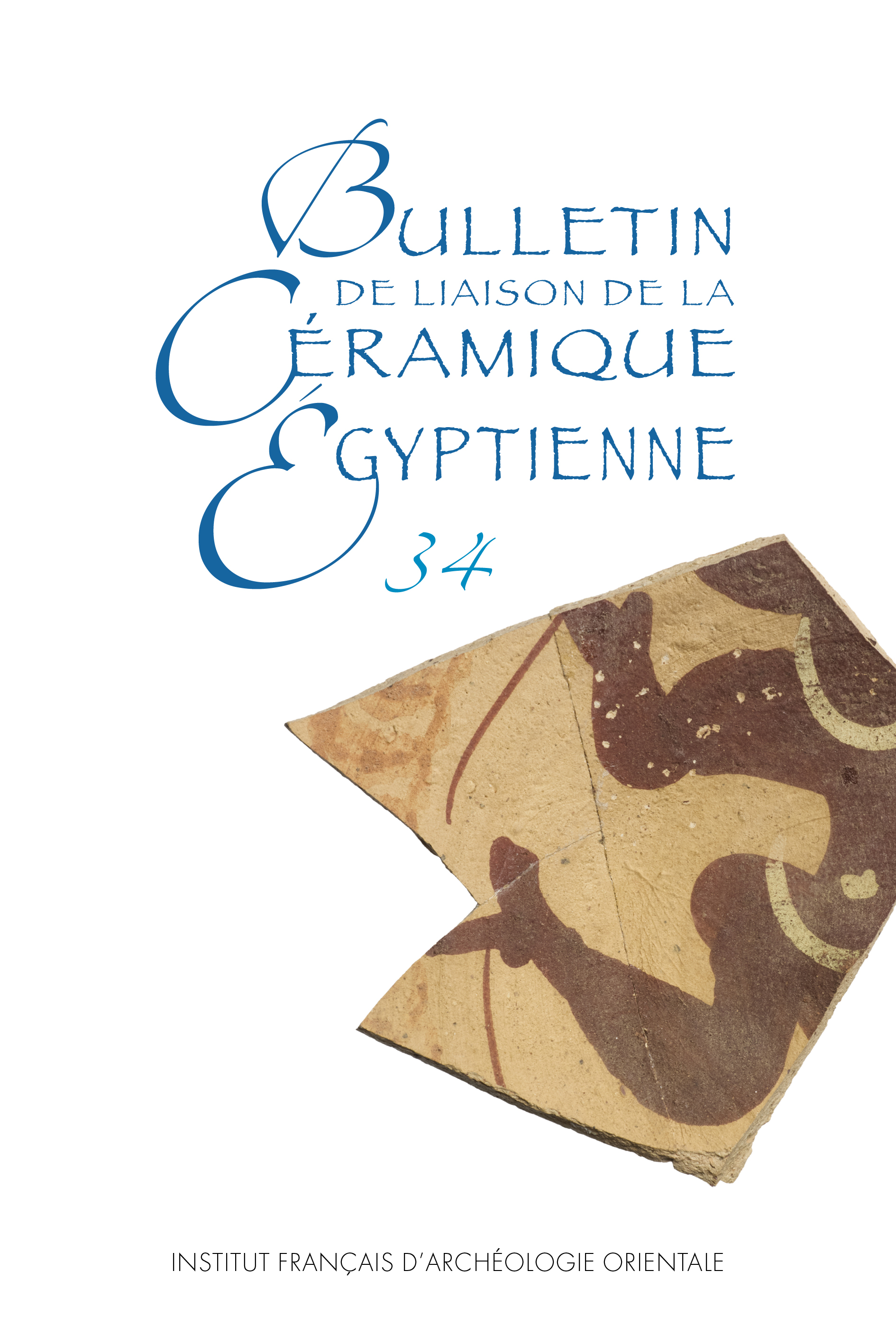
Sylvie Marchand (éd.)
Bulletin de liaison de la céramique égyptienne 34 BCE 34; 386 p. Cette nouvelle livraison du Bulletin de liaison de la céramique égyptienne (BCE 34) présente, dans une première partie, un « parcours régional » en lien avec d’importants travaux archéologiques. La première contribution concerne un ensemble de jarres de cuisine découvertes à Ayn Soukhna (fin XIe-début XIIe dynastie). La deuxième est consacrée au mobilier céramique des XIXe-XXe dynasties mis au jour à … [en savoir plus] 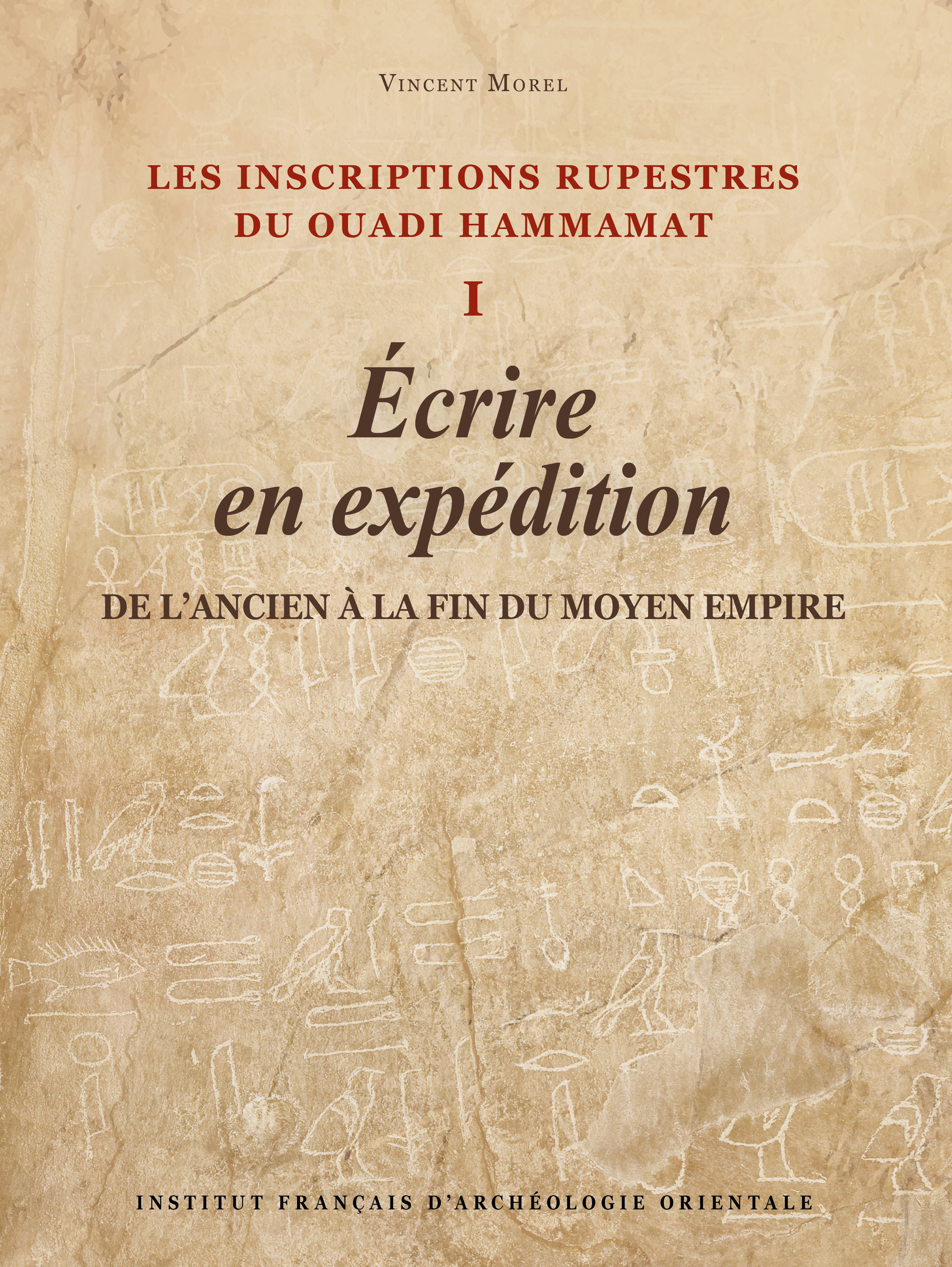
Vincent Morel
Les inscriptions rupestres du Ouadi Hammamat I Écrire en expédition, de l’Ancien à la fin du Moyen Empire MIFAO 157; 438 p. Dans le désert Oriental d’Égypte, les carrières de grauwacke du Ouadi Hammamat conservent un vaste corpus d’inscriptions rupestres, documenté depuis les premiers explorateurs modernes et couvrant une histoire plurimillénaire. Fondé sur de récentes prospections de terrain, ce volume propose une enquête sur des textes majeurs de l’Ancien à la fin du Moyen Empire. Il adopte une approche croisée – matérielle, visuelle et textuelle – qui restitue aux inscriptions leur dynamique … [en savoir plus] 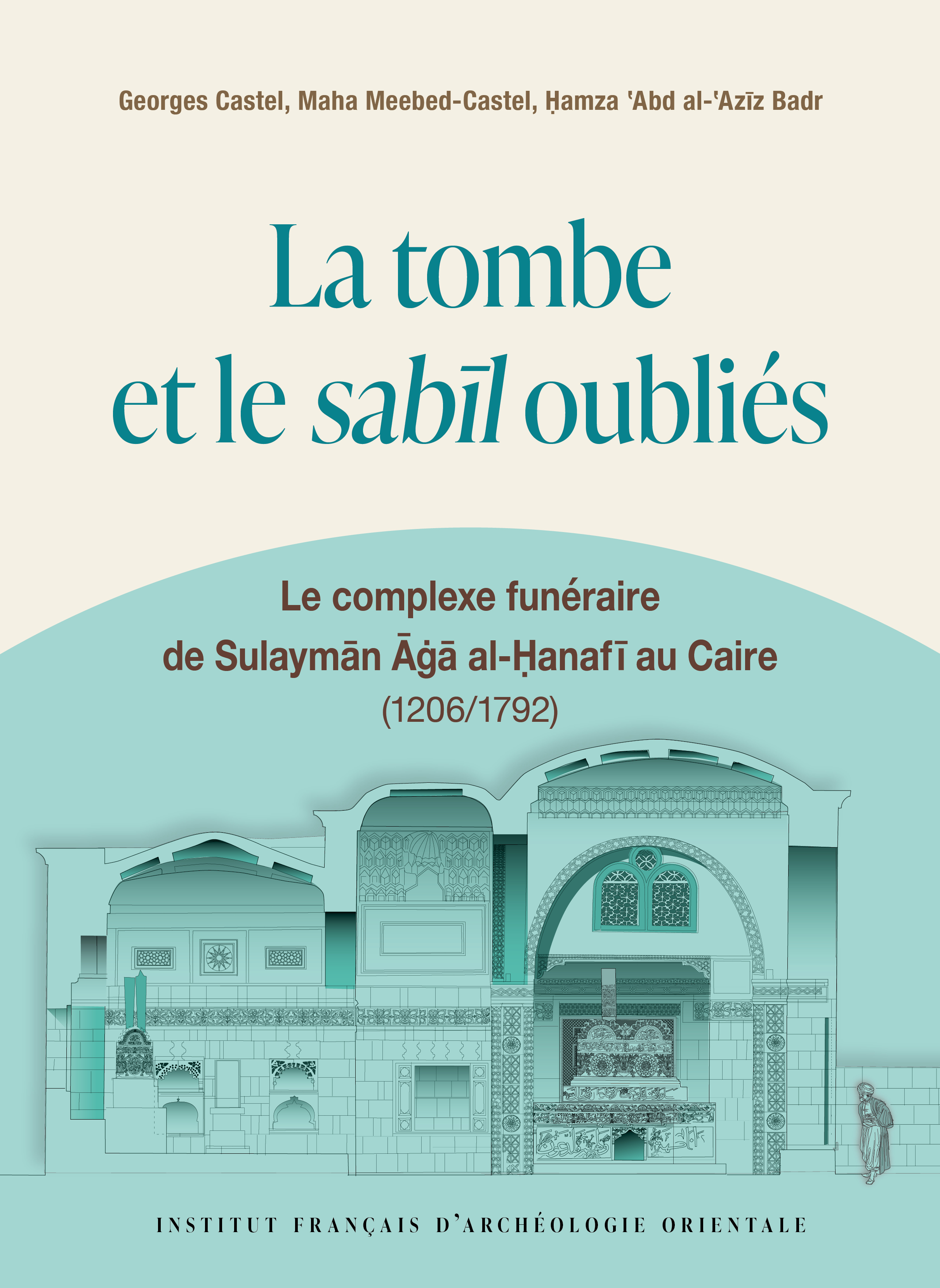
Georges Castel, Maha Meebed-Castel, Hamza Abdelaziz Badr
La tombe et le Sabīl oubliés Le complexe funéraire de Sulaymān Aġā al-Ḥanafī au Caire (1206/1792) BiEtud 194; 272 p. Cet ouvrage à plusieurs mains est le premier travail consacré à la tombe et au sabīl de l’émir Sulaymān Āġā al-Ḥanafī, un des lieutenants d’Ibrāhīm Bāy al-Kabīr (m. 1817), le gouverneur de l’Égypte avant l’expédition française de 1798. Outre qu’il fournit une description précise de l’architecture et de la décoration de ces deux bâtiments, construits à la fin du xviiie siècle dans le cimetière d’al-Abāǧiyya au Caire, … [en savoir plus] 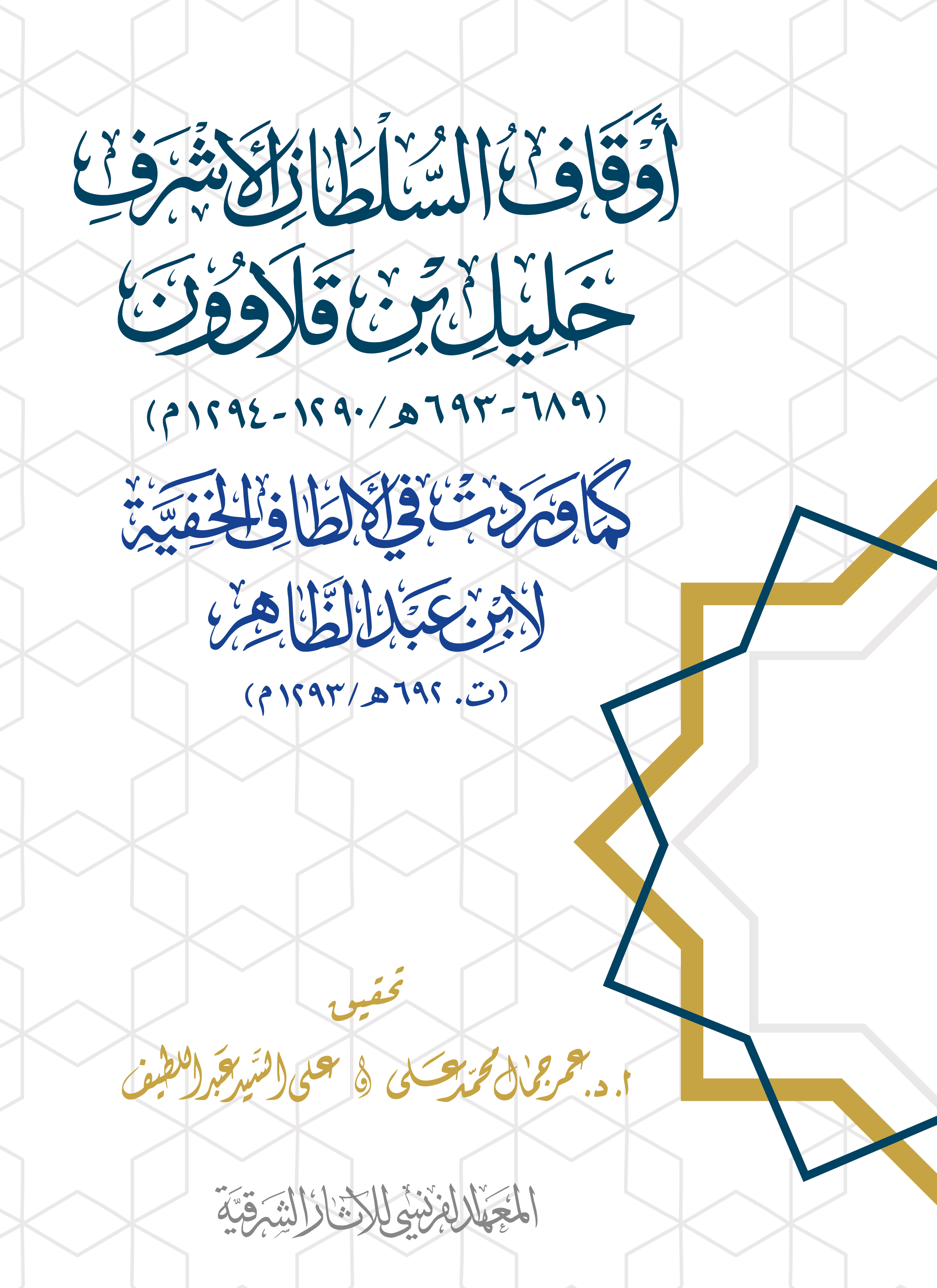
Omar Jamal Mohamed Ali, Ali al-Sayyid Abdelatif
أوقاف السُّلْطان الأشْرف خليل بن قَلاوون كما وردت في الألطاف الخفيّة من السِّيرة الشَريفة السُّلطانيّة المَلَكيّة الأشرفيّة لمُحيي الدّين بن عبد الظّاهر ويليه: النَّقش الكتابي للقُبّة الأَشْرفية مرسومان للسُّلْطان الأشرف إلى رُهبان دير سانت كاترين وثيقة ثبوت أوقاف السُّلْطان الأَشرف خليل في العَصر العثماني CAI 38; 126 p. Cet ouvrage présente les textes intégraux des waqf-s du sultan al-Ašraf Ḫalīl ibn Qalāwūn (689-693 H/1290-1294 J.-C.) au bénéfice de son école connue sous le nom d'al-Madrasa al-ašrafiyya, au Caire, et des services d’al-Qubba al-Manṣūriyya, fondée par son père, le sultan al-Manṣūr Qalāwūn. Ces textes ont été conservés par l'historien Muḥyī al-Dīn ʿAbdallāh ibn ʿAbd al-Zāhir (620-692 H/1223-1293 J.-C.) dans son ouvrage al-Alṭāf al-ḫafiyya … [en savoir plus] 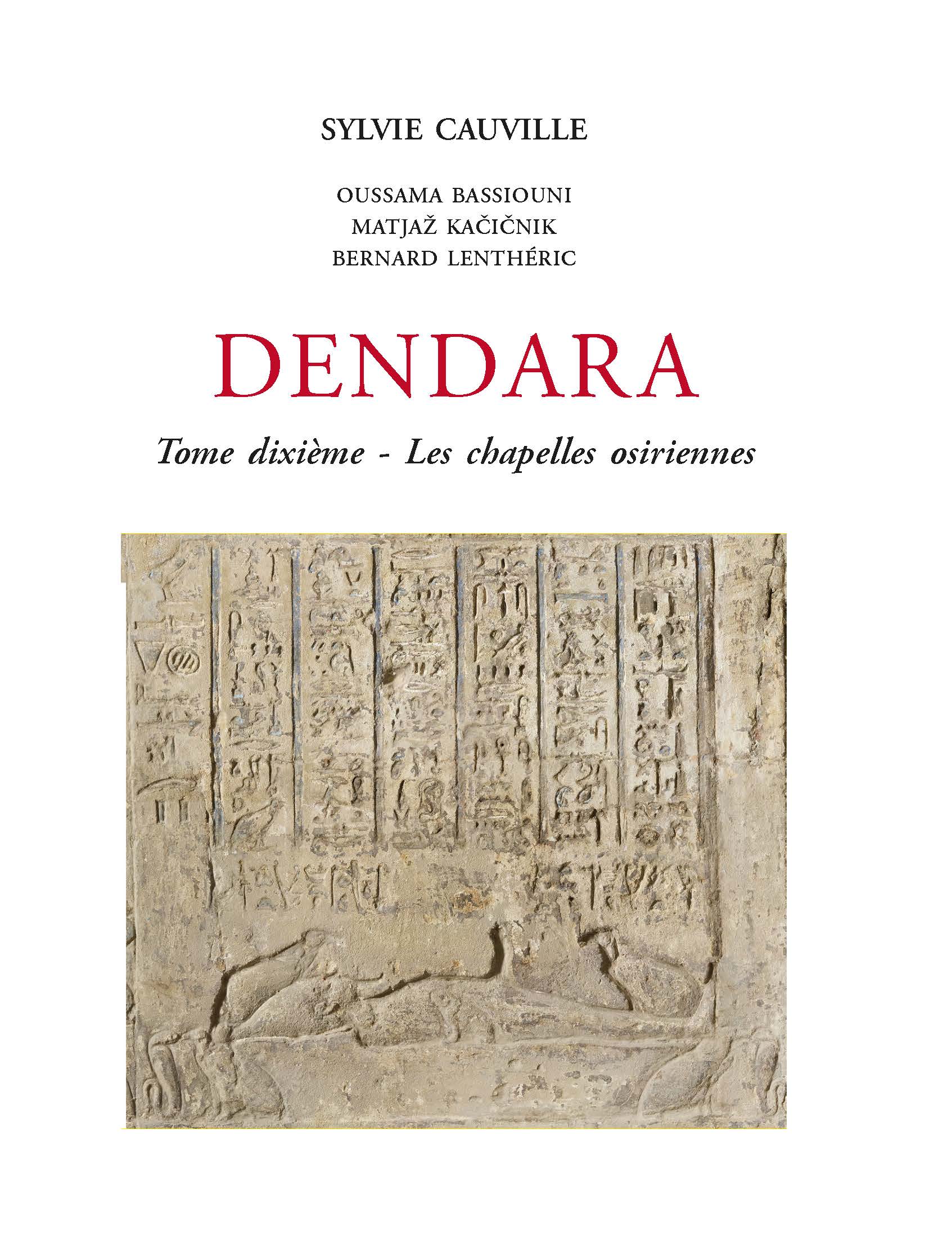
Sylvie Cauville, Oussama Bassiouni, Matjaž Kačičnik, Bernard Lenthéric
Le temple de Dendara X. Les chapelles osiriennes Planches en couleur Temples, Dendara 10.1; 572 p. Le temple d'Hathor à Dendera, admirablement conservé, est probablement la plus aboutie des réalisations architecturales de l'Égypte ptolémaïque et romaine et la richesse des compositions théologiques qui ornent ses murs est incomparable. Ses inscriptions hiéroglyphiques ont été éditées sous l’égide de l’Institut français d’archéologie orientale, d’abord par É. Chassinat puis par Fr. Daumas, et enfin par S. Cauville. Le dixième volume, paru en deux tomes en 1997, offre la … [en savoir plus] 
Marcus Müller (éd.)
Athribis XI Archäologie im Repit-Tempel zu Athribis 2016-2019 Temples, Athribis 11; 996 p. Athribis XI est le second volume d’archéologie, après Athribis V, consacré au temple de Repit de Ptolémée XII à Athribis (province de Sohag). Il présente les fouilles menées par lʼuniversité Eberhard-Karls de Tübingen entre 2016 et 2019. Un grand chapitre de synthèse porte sur les principaux vestiges et les découvertes réalisées au cours des campagnes de fouilles, qui ont conduit à de nombreux résultats nouveaux. Dʼune part, les … [en savoir plus] 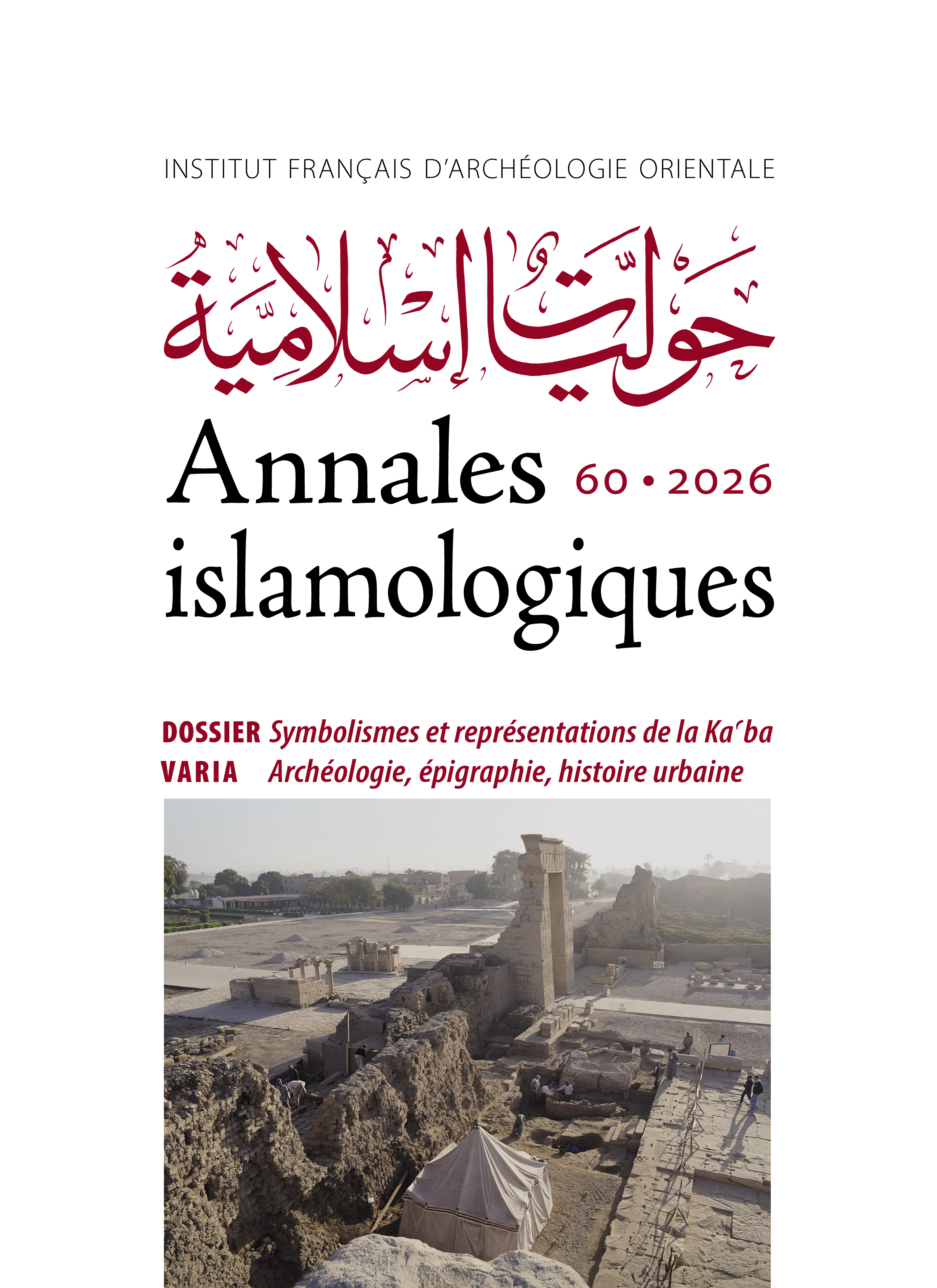
Annales islamologiques 60 Dossier : Symbolismes et représentations de la Kaʿba AnIsl 60; 367 p. Les Annales Islamologiques 60 comprennent une rubrique libre, les varia. Ces varia regroupent quatre articles qui couvrent les champs disciplinaires et chronologiques définis par la ligne éditoriale de la revue. En outre, les Annales proposent un dossier, coordonné par Fârès Gillon, Kader Smail et Gregory Vandamme, regroupant huit études, intitulé « Symbolismes et représentations de la Kaʿba ». Ce dossier explore les symbolismes et représentations de la Kaʿba en … [en savoir plus] 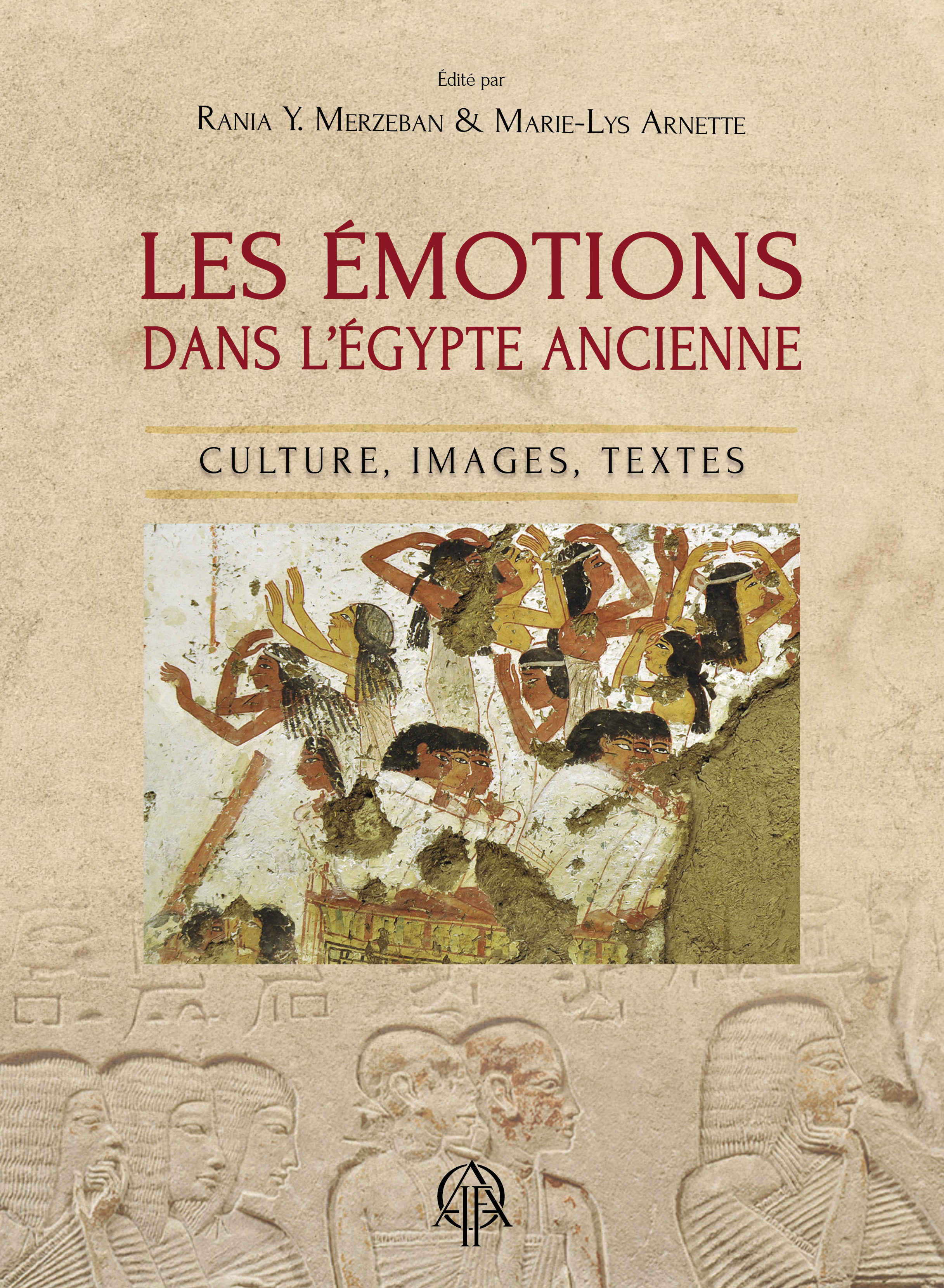
Rania Y. Merzeban (éd.), Marie-Lys Arnette (éd.), Dimitri Laboury, Cédric Larcher
Les émotions dans l’Égypte Ancienne Culture, images, textes BiEtud 195; 264 p. Le terme « émotion », entendu comme synonyme d’affect, de sensibilité, de ressenti et de sentiment, recouvre un champ de réactions extrêmement vaste et complexe. Les recherches en sciences humaines et sociales ont démontré sa contingence culturelle : toute émotion humaine est non seulement propre à un individu, mais est aussi profondément conditionnée par la culture et la collectivité dont celui-ci fait partie. L’expression des émotions est donc éminemment culturelle … [en savoir plus] 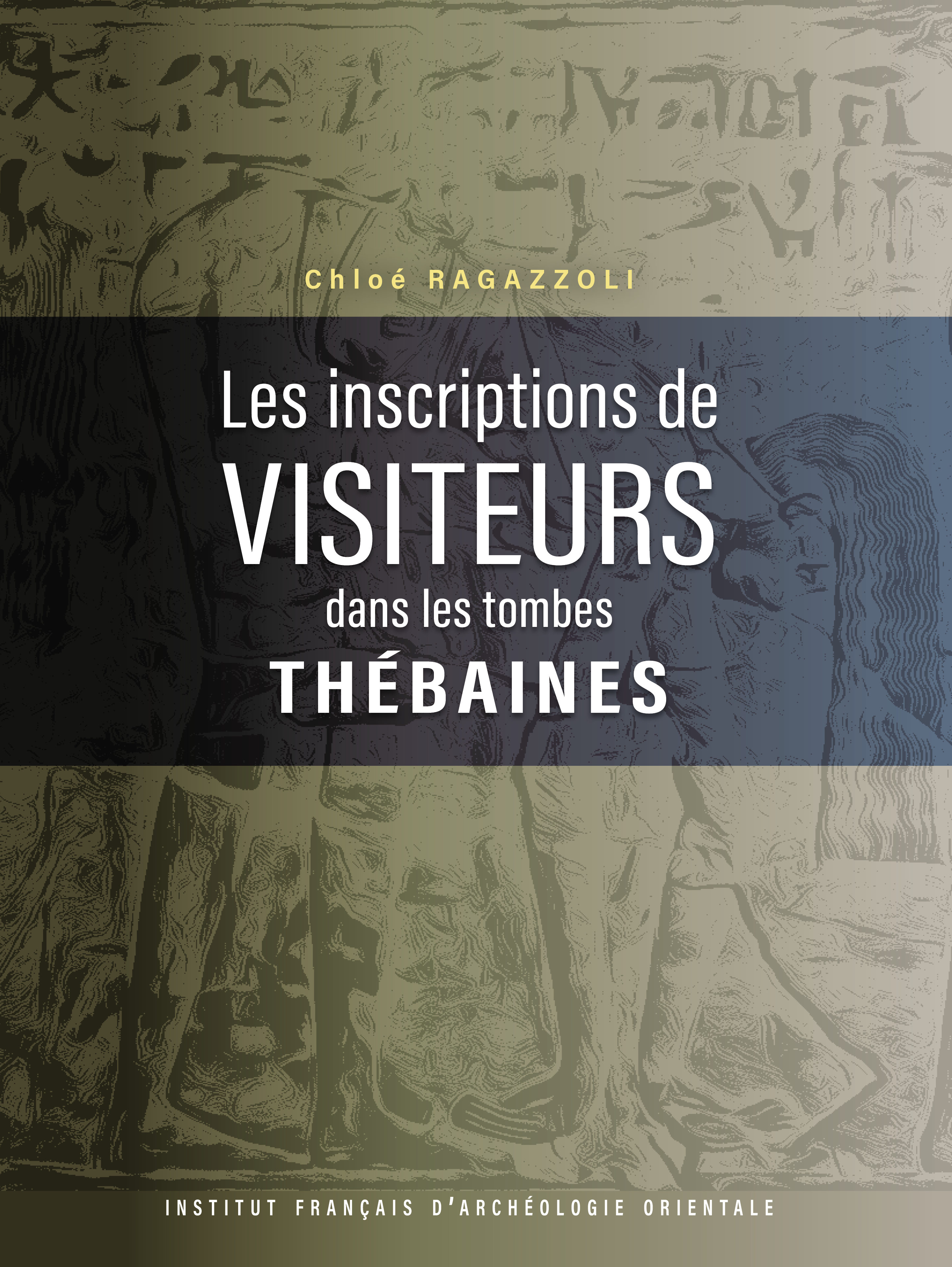
Chloé Ragazzoli
Les Inscriptions de visiteurs dans les Tombes thébaines MIFAO 159; 716 p. Au Nouvel Empire, il était courant pour les scribes de laisser un témoignage écrit de leur passage dans les chapelles de tombe, au sein même de la décoration. Cet ouvrage rassemble l’ensemble de ces inscriptions de visiteurs pour la nécropole thébaine, après dix années de travail sur le terrain et dans les archives. Il peut s’agir de simples signatures, mais aussi d’offrandes funéraires sous forme de textes littéraires, tout comme de biographies clandestines. … [en savoir plus] 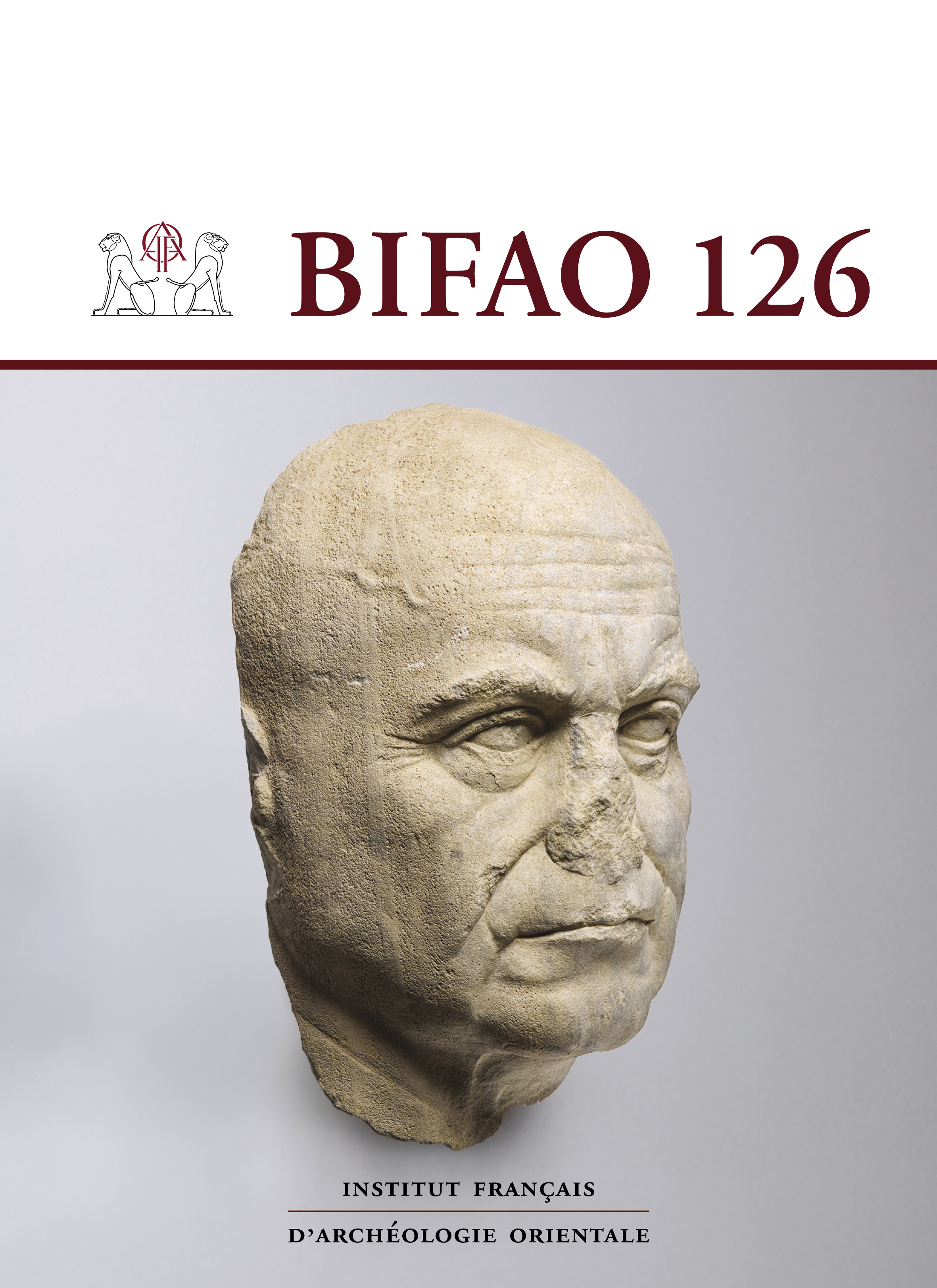
BIFAO 126 BIFAO 126; 536 p. Le Bulletin de l’Institut français d’archéologie orientale (BIFAO) couvre l’ensemble des champs de l’égyptologie depuis sa première publication en 1901. Les études qui y paraissent, dont l’aire chronologique s’étend de l’Égypte prédynastique jusqu’à l’époque byzantine, illustrent l’état des recherches actuelles dans les domaines de l’archéologie, l’épigraphie, la lexicographie, l’histoire de l’art, la religion et la philologie. en savoir plus] 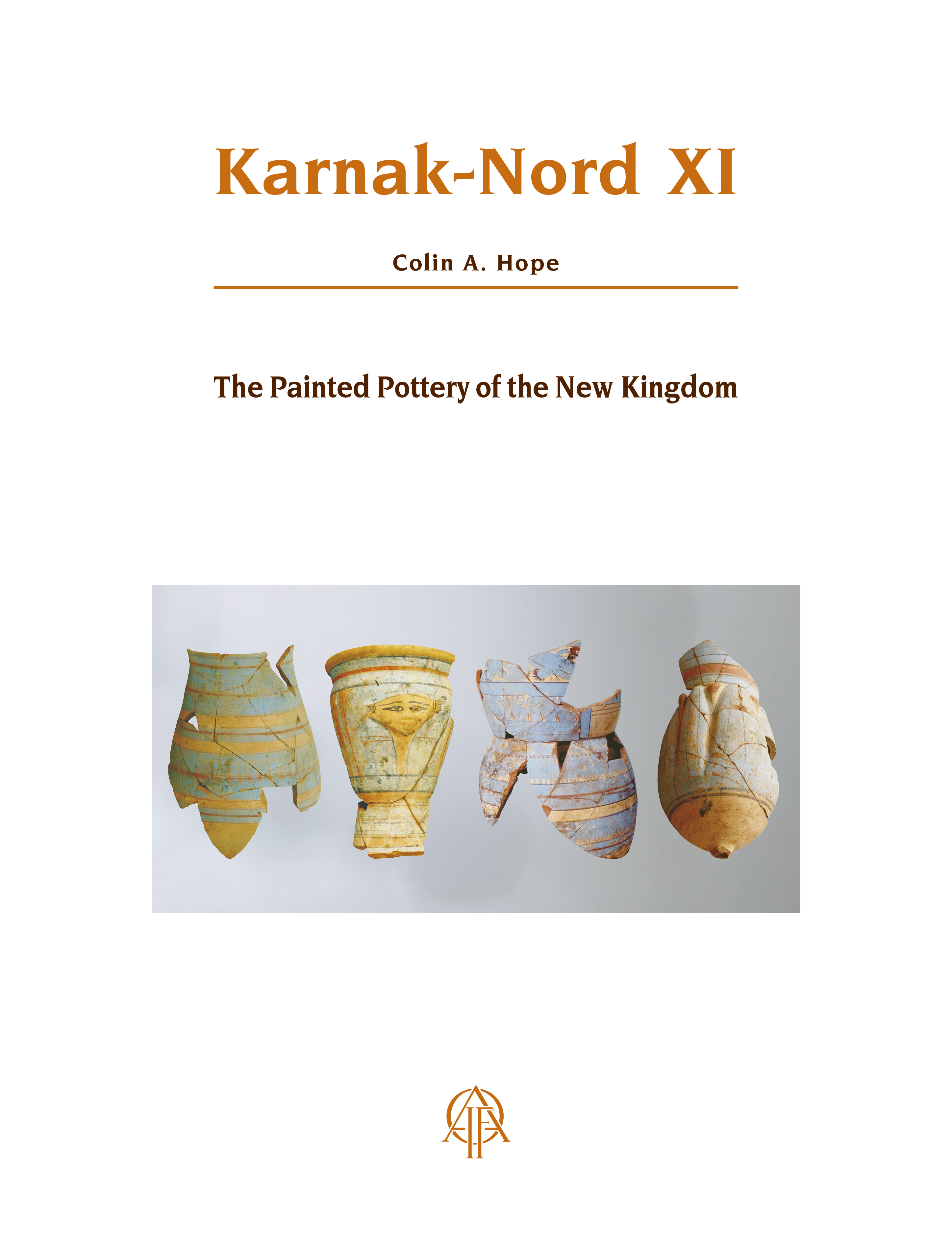
Colin Hope
Karnak-Nord XI The Painted Pottery of the New Kingdom FIFAO 99; 344 p. Ce volume est la publication de la céramique peinte provenant des fouilles de Karnak-Nord par Jean et Helen Jacquet, et Philippe Brissaud. Le matériel se divise en trois catégories : la céramique monochrome, la céramique bichrome et la céramique peinte en bleu, ce dernier type étant majoritaire. Les formes attestées dans chacune des catégories font l’objet d’une présentation individuelle, et les motifs employés dans le décor de chaque catégorie sont identifiés et présentés … [en savoir plus] 
Bulletin critique des Annales islamologiques 40 BCAI 40 Ce nouveau numéro du Bulletin critique des Annales islamologiques (BCAI) publie en français, en anglais et en arabe des comptes rendus critiques d'ouvrages ayant trait aux études arabes et islamiques dans les domaines suivants : langue et littérature arabes, islamologie, philosophie, histoire, histoire des sciences et des techniques, anthropologie et sciences sociales, arts et archéologie. Les ouvrages recensés dans cette livraison ont paru entre 2021 et 2025 … [en savoir plus] 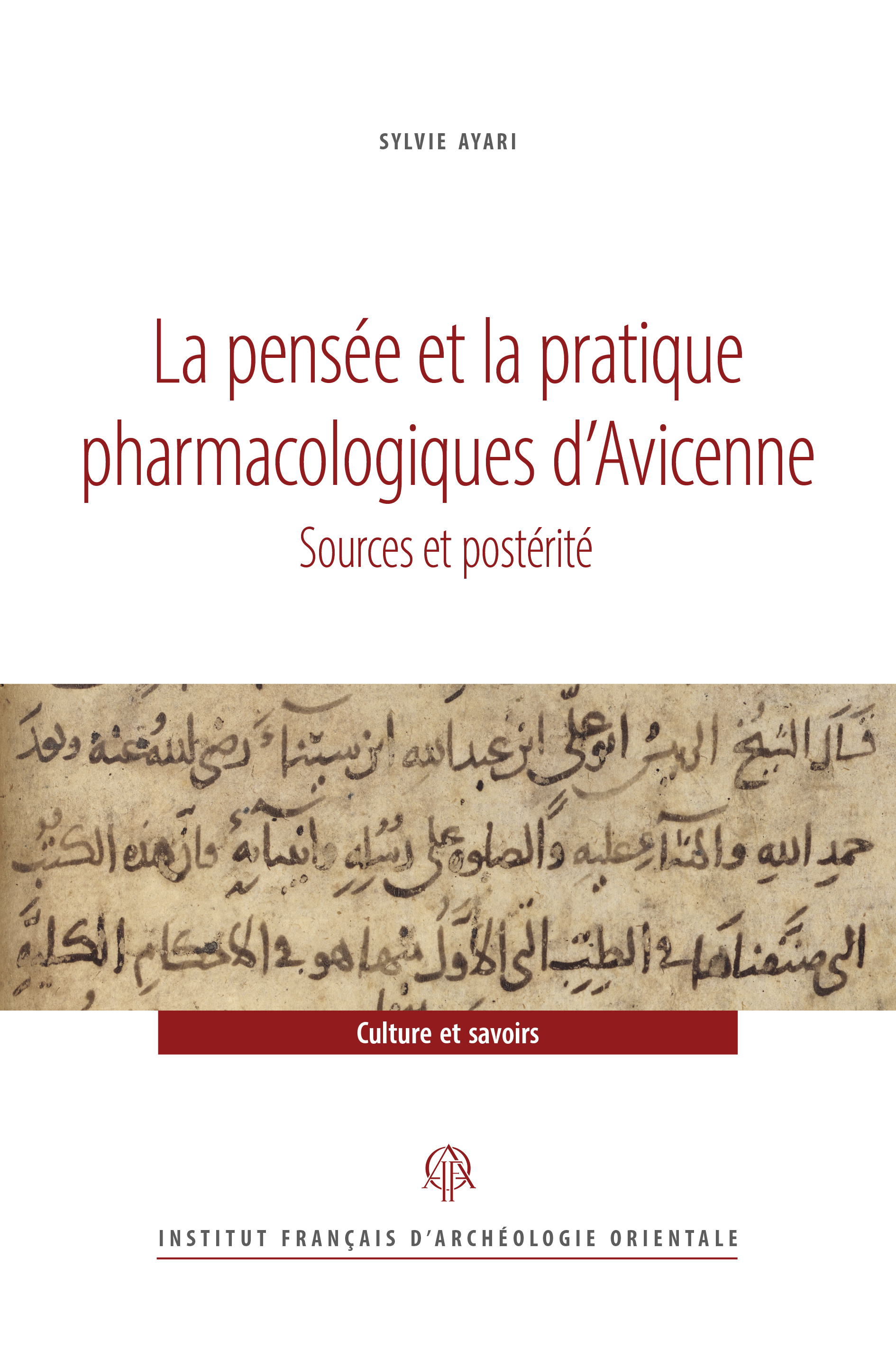
Sylvie Ayari
La pensée et la pratique pharmacologiques d’Avicenne Sources et postérité RAPH 51; 302 p. Ibn Sīnā (m. 1037), plus connu en Occident sous le nom d’Avicenne, est célèbre dans l’histoire médicale pour son Canonde la médecine (al-Qānūn fī al-ṭibb), une œuvre majeure qui a été rédigée entre 1012 et 1024 et dans laquelle se mêlent théorie et observations pratiques. Mais que sait-on de … [en savoir plus] |

 ↑
↑IFAO Newsletter
March 2026
Sections: (-) Headlines (-)Life at the palace (-) Some questions for Naglaa Boutros.... (-) IFAO notebook (-) Scientific Events (-) On the Ifao YouTube channel (-) Publications
◼︎ Visits by the Ifao directors to various archaeological sites©Ifao
Headlines
Ifao archaeological site visitsThe first half of 2026 was marked by a series of site visits carried out by the IFAO directors to archaeological excavations active during this period of the year. These visits demonstrate the Institute’s commitment and its monitoring of its excavation sites. They enable the direction of the IFAO to assess the progress of the work (excavations, documentation, restoration, etc.), as well as to identify the needs of the teams in the field and to strengthen ties with the Egyptian and international partners involved. Pierre Tallet, Director of the IFAO, and Abbès Zouache, Director of Studies, began this series of visits in early January with a visit to the archaeological mission at Ayn Soukhna, on the Red Sea coast. They then travelled to the Qal’at Sheikh Hammam site, near Qena, where significant discoveries have been made; these have been widely reported in the Egyptian press (see below). They then continued their tour with visits to archaeological sites in the oases of the Western Desert (the Balat/Ayn Asil mission and the Douch mission) as well as in the Fayoum, where they were able to observe the research being carried out by the Biahmu archaeological mission, recently established by Simon Connor and Ashraf Sobhi.
|
||
|
These field visits continued throughout February and March. In particular, in early February, Pierre Tallet and Abbès Zouache travelled to Deir el-Medina, the famous village of the craftsmen who worked on the royal tombs, to Dendara, and to the site where lies the tomb of the priest-reader Padiamenope (TT 33). Upon their return to Cairo, they were able to assess the scale of the work being carried out by the Franco-Egyptian mission at the Cairo Citadel, which was conducting its third campaign under the direction of Simon Connor (IFAO) and Mohamed Ibrahim (Ayn Shams University). Finally, in April, Pierre Tallet visited the site of Taposiris-Plinthine, in the Mareotide region, where he was welcomed by the team led by Sylvain Dhennin.
|
◼︎ Visit to the tomb of the priest-reader Padiamenope (TT 33) ©Ifao |
|
News from archaeological sites and programmesEighteen field campaigns (archaeology and epigraphy) took place during the first half of 2026: those at Qal‘at Sheikh Hammâm, Ayn Soukhna, Balat, Deir el-Medina, TT 33, Biahmu (Fayoum), Osirian sanctuaries (Karnak), Dendara, Wadi Sannour, Islamic funerary stelae (Cairo), Coptos, the Cairo Citadel, Wadi el-Jarf, Bahareya, Philadelphia, Taposiris Magna and Plinthine, Medamoud and Qubbat al-Hawa. These sites illustrate the diversity of the areas in which the IFAO and its partners carry out their work. Among the notable discoveries are those made by the members of the Sheikh al-Arab Hammam archaeological mission in the village of Al-Araki (Qena Governorate). This Franco-Egyptian mission is led by Professor Ahmad Al-Shoky, a research associate at the IFAO and Vice-Dean of the Faculty of Archaeology at Ain Shams University. The archaeologists have unearthed the remains of a residential town built of mud bricks and dating from the 18th century. They also discovered a Coptic cemetery from the Byzantine period. (See the press release from the Office of the Prime Minister of Egypt).
|
||
Life at the palace
Some questions for Naglaa Boutros..
|
Naglaa Hamdi Boutros, you are head of scientific translation at Ifao, but you are also a historian and researcher, and you continue to publish your research whilst carrying out your duties at the IFAO. |
||
Could you tell us about your academic and professional background?I am a researcher and head of scientific translation at the IFAO, a research fellow at the Catholic University of Louvain (UCLouvain) and head of the Department of Eastern Christian Heritage at the Higher Institute of Coptic Studies. Alongside my research activities, I teach Coptic philology and history at several faculties and institutes of theology. I also supervise research projects and regularly participate in thesis examination boards at numerous Egyptian universities, notably the University of Alexandria. My academic career began at the Collège du Bon Pasteur before continuing at the Faculty of Languages (Al-Alsun) at Ain Shams University, where I studied languages and literature. I then went on to complete a Master’s degree, followed by a PhD in translation studies. |
|
◼︎ Naglaa Hamdi Boutros |
|
Subsequently, my career path at IFAO shifted towards scientific translation. I first took part in the “Open Traduction” project led by Frédéric Abécassis. A new milestone was reached with the appointment of Abbès Zouache as Director of Studies at IFAO in September 2021. Convinced of the strategic importance of translation for the dissemination of the humanities and social sciences, he took the initiative, with the support of Pierre Tallet, to create a Department of Scientific Translation. Since its creation, this department has continued to grow, diversifying its activities and strengthening its role in promoting scientific output. The IFAO attaches great importance to the topic of translations, as evidenced by the very existence of the department you head. Could you explain to our readers the remit of the Department of Scientific Translation and the nature of your work?My research activities and my responsibilities as head of the Department of Scientific Translation are two aspects of my career that complement and enrich one another. In my view, scientific translation is much more than a mere tool for the transmission of knowledge: it constitutes a genuine space for mediation between languages, disciplines and scholarly traditions. As such, it naturally extends my research work, with which it shares the same demands for rigour, terminological precision and intellectual fidelity. |
||
IFAO notebook
Arrivals- Aisha Mandour replaced Marianne Ramsis as head of distribution department in January 2026. - Marina Wagih replaced Mohamed Adel Farouk as a digitisation operator in the Archives and Collections Department from January 2026. - Shrouk Khaled was appointed as a receptionist at the library in January 2026. - Verina Mamdouh was recruited as a scientific translator in January 2026. Departures- Nicolas Souchon, researcher and egyptologist in the Archives and Collections Department, resigned in January 2026. - Mélanie Créssent, Editor, resigned in January 2026.
|
|
|
Scientific events
|
Les conférences de l'Ifao lectures Series |
|
|
|
|
Lecture series: Egyptology Bi-L-ʿarabīOrganised in partnership with "Al-Makân wa-l-Nâs" |
|
|
|
|
Exploring Egypt Seminar: Histories and HistoriographiesOrganised in partnership with DAIK, NVIC, CAI, PCMA, ARCE |
|
|
|
Séminaire de recherche de l'Ifao lectures Series |
|
|
Workshops
| |
On January 9th 2026, Research Workshop by Maria Mossakowska, Valerie Schram & Pascale Ballet: Atelier Realia d’Égypte – Ergaleion 7, in partnership with UMR 8167 Orient Méditerranée, CNRS, Université Paris Nanterre, ARSCAN [more] |
|
|
On February 16th 2026, Research Workshop by Anna Lagaron & Clément Dussart: Stèles funéraires islamiques II. Étude de la matérialité des stèles. [more] |
|
|
From March 29th to April 2nd 2026, Training by : Life in the City: Everyday Practices, Gender, Class, Memories, in partnership with CEDEJ [more] |
|
|
From 11th to May 15th 2026, Training by : Itinérances : la circulation des traces matérielles du passé de l’Antiquité à nos jours, in partnership with EfA, EFEO, EFR [more] |
|
|
From 1st to June 6th 2026, Training by : École d’été de philologie arabe, in partnership with INP, ISSHT, Centre des musiques arabes et méditerranéennes, BNT, Dîwân Tûnis, Association de la sauvegarde de la médina de Tunis, ERC ChrisCross [more] |
Lectures
|
On May 14th 2026, Lecture by Hassan Ebeid : From Soot to Script: The Materials and Recipes of Inks in Early Manuscript Traditions [more] | |
|
On June 28th 2026, Keynote Lecture by د. طارق والى: منهجية لطائف العمران في دراسة المدينة - دراسة حالة مدينة القاهرة [more] | |
|
On July 9th 2026, Keynote Lecture by د. صبحي بودربالة: من الوثيقة إلى الديوان: الممارسات الإدارية في الشرق الأدنى في القرن الأول الهجري/ القرن السابع وبداية القرن الثامن الميلادي [more] |
Scientific conferences
| |
From 6th to April 8th 2026, Research Workshop by Petra M. Sijpesteijn, Kate Mokránová and Kyle Longworth: From the ground up, in partnership with Leiden University & NVIC [more] | |
|
From 8th to April 9th 2026, International conference organized by Gabriele Mario Conte : Perceptions of health in the Nile Valley, in partnership with PCMA UW [more] | |
|
From 14th to April 25th 2026, Research Workshop by Laura Aguer, Ahmed Nakshara, & Khaled Younes : The Ifao Papyrology Seminar [more] | |
|
On April 14th 2026, Research Workshop by Elizabeth Frood, Chiara Salvador et Chloé Ragazzoli: Inscrire le sacré : graffiti et interactions avec le divin , in partnership with Maison de l’Egypte [more] | |
|
From 9th to May 10th 2026, International conference organized by Antoinette Ferrand (Ifao) & Simon Conrad (OIB): New Perspectives on South-Asian and Middle Eastern Connections in the 20th Century, in partnership with Orient-Institut Beirut [more] | |
|
From 19th to May 20th 2026, International conference organized by Fatma Keshk, Sabine Frommel, Thomas Faucher: A Church, A Mosque, in partnership with CEAlex, CNRS, EPHE, PSL, Histara, Anna Lindh Foundation [more] | |
|
From 28th to June 29th 2026, Seminar organized by أ.د/ عــــبــاس زواش أ.د/ أحمــد الشربينـــي أ.م.د/ رحـاب إبـراهيـم الصعيدى: سِمِنار حوار المدن : المدن التراثية في عالم متغير, in partnership with الجمعية المصرية للدراسات التاريخية [more] |
On the YouTube channel
Publications
|
Sylvie Marchand (éd.)
Bulletin de liaison de la céramique égyptienne 34 BCE 34; 386 p. This new issue of the Bulletin de liaison de la céramique égyptienne (BCE 34) presents, in its first part, a parcours régional linked to important archaeological field work. The first contribution covers a set of cooking jars discovered at Ayn Soukhna (late 11th-early 12th Dynasty). The second is devoted to ceramic assemblages from the 19th-20th Dynasties unearthed at Zawyet Sultan in Middle Egypt. The following two contributions focus on Upper Egyptian … [more]
Vincent Morel
Les inscriptions rupestres du Ouadi Hammamat I Écrire en expédition, de l’Ancien à la fin du Moyen Empire MIFAO 157; 438 p. In Egypt’s Eastern Desert, the greywacke quarries of Wadi Hammamat preserve a vast corpus of rock inscriptions spanning several millennia. Drawing on recent field surveys, this volume examines key inscriptions from the Old Kingdom through to the end of the Middle Kingdom. It adopts a combined material, visual, and textual perspective that brings to light the spatial dynamics of these carvings, their graphic arrangement, and the intertextual dialogues they establish with each other. … [more]
Georges Castel, Maha Meebed-Castel, Hamza Abdelaziz Badr
La tombe et le Sabīl oubliés Le complexe funéraire de Sulaymān Aġā al-Ḥanafī au Caire (1206/1792) BiEtud 194; 272 p. This multi-authored work is the first study devoted to the tomb and sabīl of Emir Sulaymān Āġā al-Ḥanafī, one of the lieutenants of Ibrāhīm Bāy al-Kabīr (d. 1817), the governor of Egypt before Napoleon Bonaparte’s expedition. In addition to providing a detailed description of the architecture and decoration of these two buildings, constructed at the end of the 18th century in the al-Abāǧiyya cemetery in Cairo, it presents all of their inscriptions, in Arabic and French … [more]
Omar Jamal Mohamed Ali, Ali al-Sayyid Abdelatif
أوقاف السُّلْطان الأشْرف خليل بن قَلاوون كما وردت في الألطاف الخفيّة من السِّيرة الشَريفة السُّلطانيّة المَلَكيّة الأشرفيّة لمُحيي الدّين بن عبد الظّاهر ويليه: النَّقش الكتابي للقُبّة الأَشْرفية مرسومان للسُّلْطان الأشرف إلى رُهبان دير سانت كاترين وثيقة ثبوت أوقاف السُّلْطان الأَشرف خليل في العَصر العثماني CAI 38; 126 p. This work presents the complete texts of the waqf-s of Sultan al-Ašraf Ḫalīl ibn Qalāwūn (689-693 AH/1290-1294 AD) for the benefit of his school known as al-Madrasa al-ašrafiyya, in Cairo, and of the services of al-Qubba al-Manṣūriyya, founded by his father, Sultan al-Manṣūr Qalāwūn. These texts were preserved by the historian Muḥyī al-Dīn ʿAbdallāh ibn ʿAbd al-Zāhir (620-692 AH/1223-1293 AD) in his work al-Alṭāf al-ḫafiyya min al-sīra al-šarīfa al … [more]
Sylvie Cauville, Oussama Bassiouni, Matjaž Kačičnik, Bernard Lenthéric
Le temple de Dendara X. Les chapelles osiriennes Planches en couleur Temples, Dendara 10.1; 572 p. [more]
Marcus Müller (éd.)
Athribis XI Archäologie im Repit-Tempel zu Athribis 2016-2019 Temples, Athribis 11; 996 p. As the second archaeology volume, Athribis XI is the sequel to the first archaeology volume Athribis V. This volume presents the excavations carried out by the Eberhard Karls University of Tübingen from 2016 to 2019 at the Repit Temple of Ptolemy XII in Athribis (Sohag province). A large overview chapter presents the most important features and artefacts discovered in excavation campaigns lasting several months, the analysis of which yielded numerous new … [more]
Annales islamologiques 60 Dossier : Symbolismes et représentations de la Kaʿba AnIsl 60; 367 p. Annales Islamologiques 60 includes an open section, the varia. They comprise 4 articles covering the disciplinary and chronological fields defined by the journal’s editorial policy. The Annales also feature a special dossier, coordinated by Fârès Gillon, Kader Smail and Gregory Vandamme and comprising 8 studies, entitled “Symbolisms and Representations of the Kaʿba”. This dossier explores the symbolisms and representations of the Kaʿba by … [more]
Rania Y. Merzeban (éd.), Marie-Lys Arnette (éd.), Dimitri Laboury, Cédric Larcher
Les émotions dans l’Égypte Ancienne Culture, images, textes BiEtud 195; 264 p. Emotion, a term understood as synonymous with affect, sensitivity, feeling and sentiment, covers an extremely vast and complex field of reactions. Research in the human and social sciences has demonstrated its cultural contingency: every human emotion is not only unique to an individual, but is also profoundly conditioned by the culture and community to which he or she belongs. The expression of emotions is therefore highly cultural. This collective work explores emotions in … [more]
Chloé Ragazzoli
Les Inscriptions de visiteurs dans les Tombes thébaines MIFAO 159; 716 p. During the New Kingdom, it was common for scribes to leave a written record of their visit to tomb chapels, the record being incorporated directly into the decoration. This volume brings together these visitor inscriptions from the Theban necropolis, following ten years of fieldwork and archival research. These may be simple signatures, but also funerary offerings in the form of literary texts, as well as clandestine biographies. Other graffiti highlight … [more]
BIFAO 126 BIFAO 126; 536 p. The Bulletin of the French Institute of Oriental Archaeology (BIFAO), which made its first appearance in 1901, covers all fields of Egyptology. Studies published in the BIFAO, extending chronologically from prehistory to the Byzantine period, illustrate the present state of research in the disciplines of archaeology, epigraphy, lexicography, history of art and philology … [more]
Colin Hope
Karnak-Nord XI The Painted Pottery of the New Kingdom FIFAO 99; 344 p. The volume publishes the painted pottery from the excavations at Karnak North by Jean and Helen Jacquet, and Philippe Brissaud. The material attests three categories: monochrome- and bichrome-painted, and blue-painted pottery, with the majority of the latter type. The forms occurring in each category are presented separately and the motifs employed upon each category are identified and presented in an extensive list. While the pottery derives from disturbed contexts, and the majority was dumped … [more]
Bulletin critique des Annales islamologiques 40 BCAI 40 This new issue of the Bulletin critique des Annales islamologiques (BCAI) publishes in French, in English an in Arabic critical reviews of works relating to Arabic and Islamic studies in the following domains: Arabic language and literature, Islamic studies, philosophy, history, history of science and technology, anthropology and social sciences, arts and archaeology. The books listed in this issue were published between 2021 and 2025. The journal is now available … [more]
Sylvie Ayari
La pensée et la pratique pharmacologiques d’Avicenne Sources et postérité RAPH 51; 302 p. Ibn Sīnā (d. 1037), better known in the West as Avicenna, is famous in medical history for his Canon of Medicine (al-Qānūn fī al-ṭibb), a major work written between 1012 and 1024 that blends theory and practical observations. But what do we know about Avicennian pharmacology? What was its philosophical foundation, and … [more] |


